
Groundwater
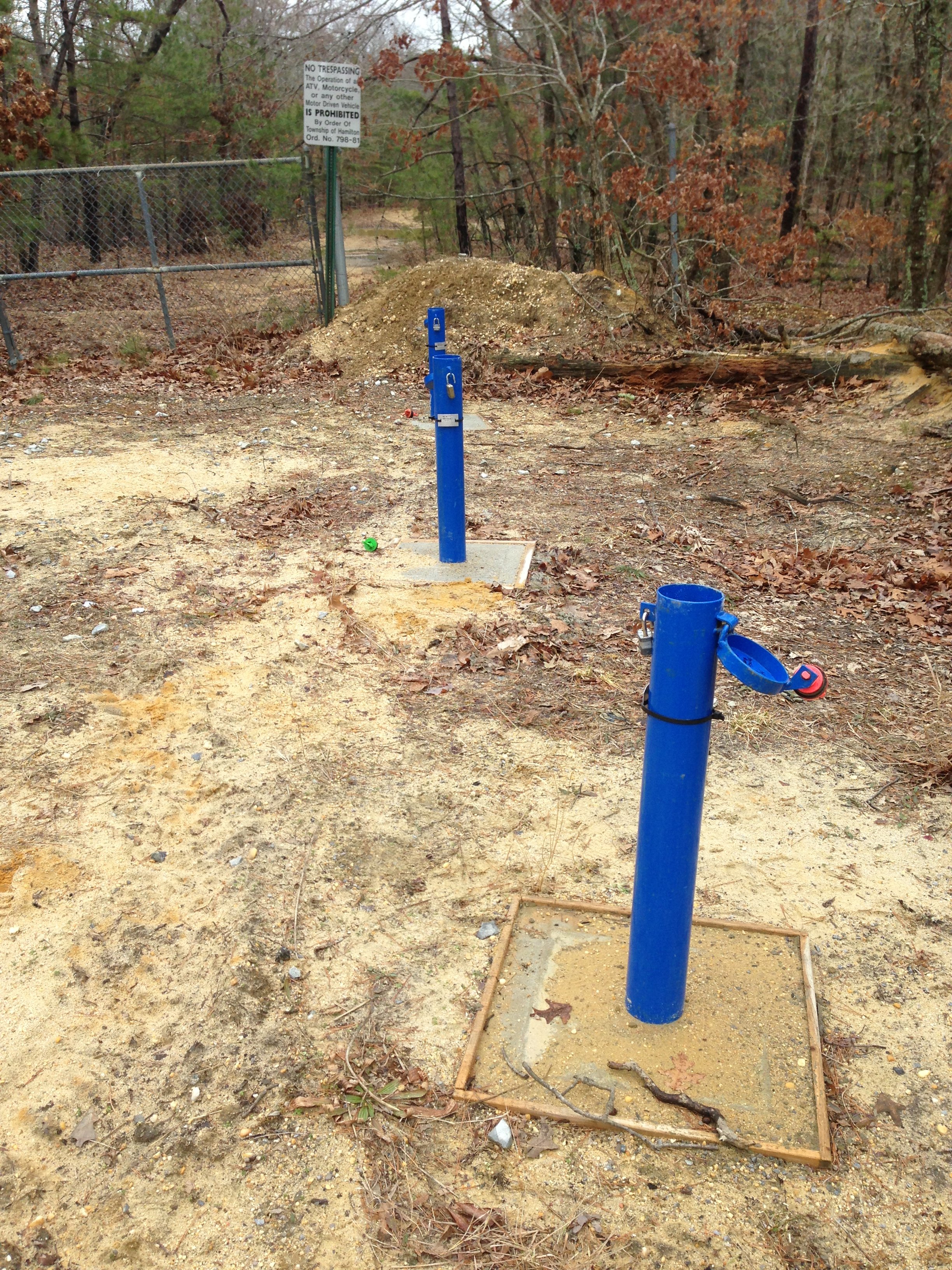
RCC performs groundwater investigations to assess subsurface hydrogeologic conditions, determine the presence and extent of contamination, and support regulatory compliance, remediation planning, and property transactions. Groundwater assessments are typically initiated following Phase I findings, soil impacts, regulatory directives, or as part of ongoing site monitoring programs.
Field activities may include:
Installation of temporary or permanent monitoring wells
Development and purging of wells using low-flow or traditional methods
Measurement of groundwater elevation and hydraulic gradients
Groundwater sampling under strict QA/QC protocols
Collection of field parameters (pH, DO, turbidity, ORP, etc.)
GPS-based data capture for accurate mapping and reporting
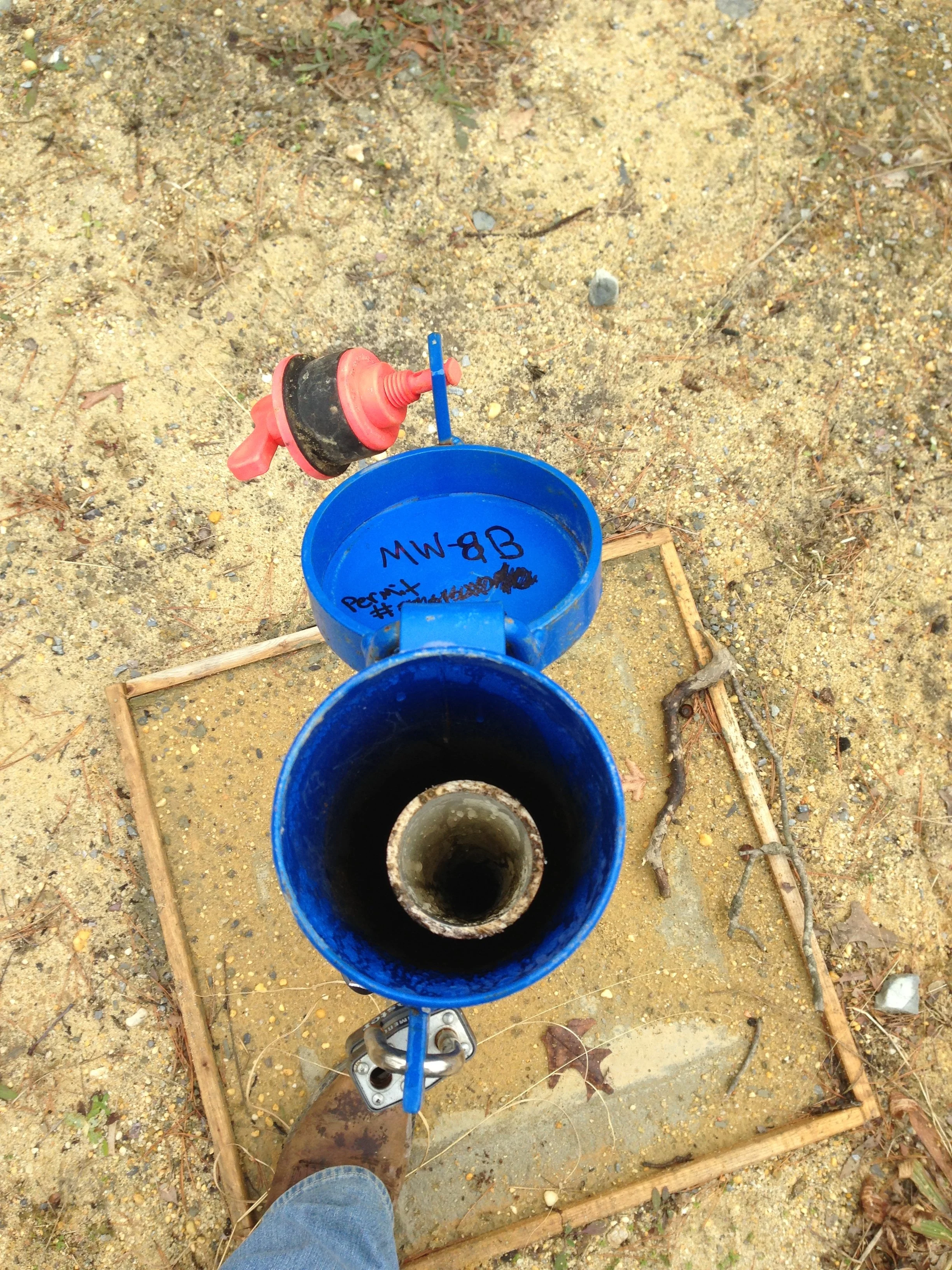
Samples are analyzed by certified laboratories for compounds such as petroleum hydrocarbons, chlorinated VOCs, metals, PFAS, pesticides, PCBs, or other site-specific parameters. Analytical results are evaluated to determine:
Presence, distribution, and concentration trends of contaminants
Migration pathways and potential exposure risk
Plume dynamics relative to receptors such as utilities, wetlands, or potable wells
Need for additional delineation or remedial response actions
Groundwater investigations support a broad range of project types, including UST releases, industrial site compliance, landfill monitoring, brownfield redevelopment, emerging contaminant studies, and long-term post-remediation monitoring programs.