

Environmental solutions, engineered right.
Our Services
Our services are built on a commitment to accuracy, safety, and cost-effective results—from environmental consulting, site remediation, and data modeling to drone-powered site intelligence.
-
We conduct Phase I ESAs in accordance with ASTM E1527 standards to evaluate current and historical uses of a property and its surroundings. This includes site inspections, historical records review, regulatory database searches, and interviews — all aimed at identifying Recognized Environmental Conditions (RECs) that may impact property value or compliance.
-
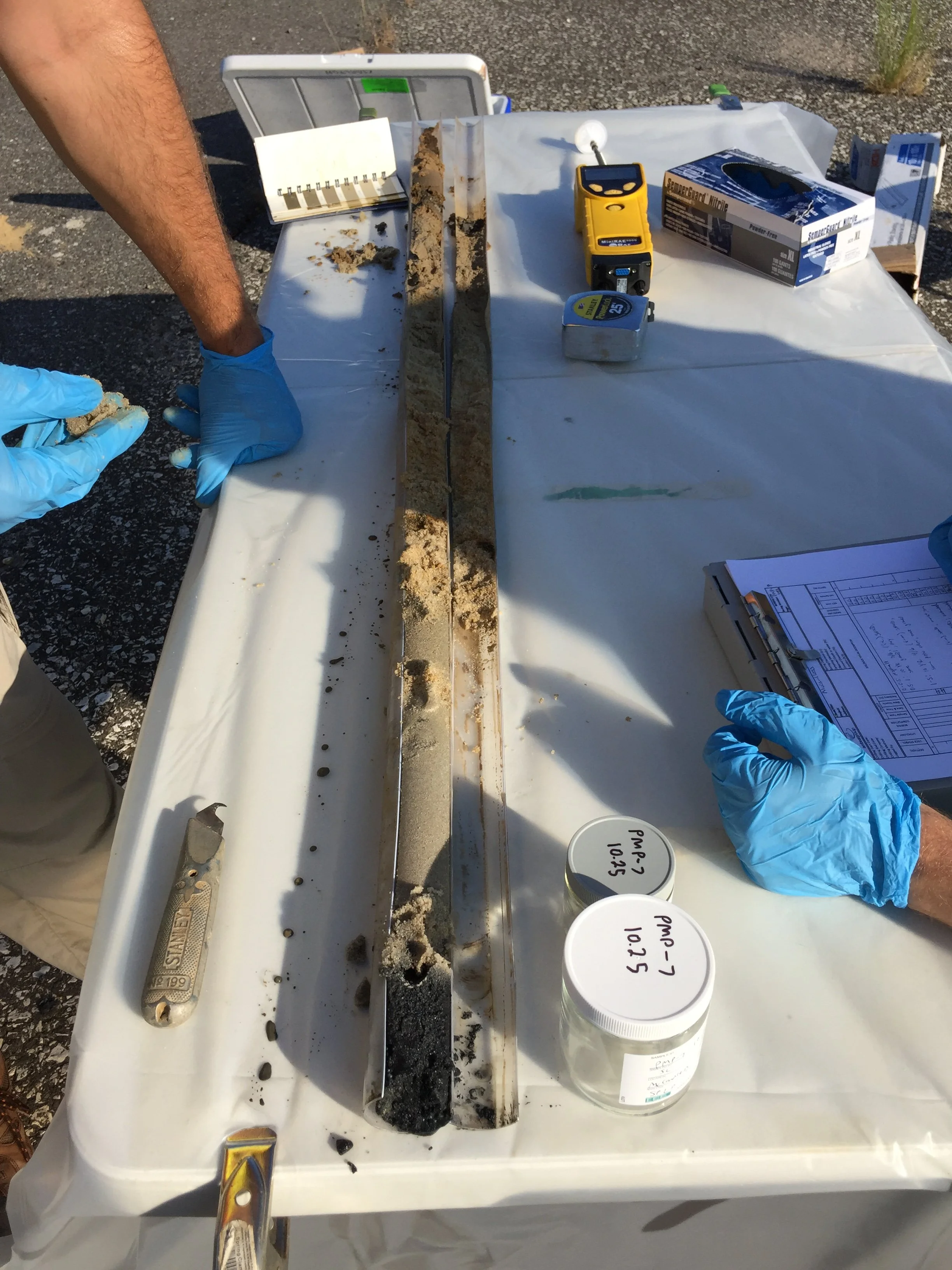
If potential contamination is suspected, our team performs Phase II investigations to collect soil, groundwater, or vapor samples. These assessments determine whether contamination is present, its extent, and if remediation is necessary. Results inform risk management decisions for property transactions or development.
-
RSRAs are useful for lenders and low-risk property transactions. We assess environmental risk using historical land use records and environmental databases to determine if further investigation (like a Phase I) is warranted.
-
We provide strategic guidance throughout the due diligence process — from risk identification to mitigation planning and stakeholder communication. Our goal is to help clients make informed investment decisions and avoid unexpected environmental costs.
-
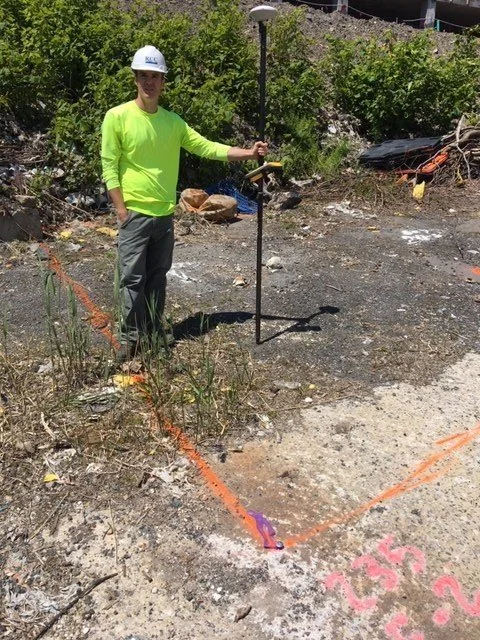
We begin by gathering data on site geology, hydrology, and potential contaminant sources. Using historical research, site inspections, and limited sampling, we identify areas of concern and determine whether a more detailed investigation is needed.
-
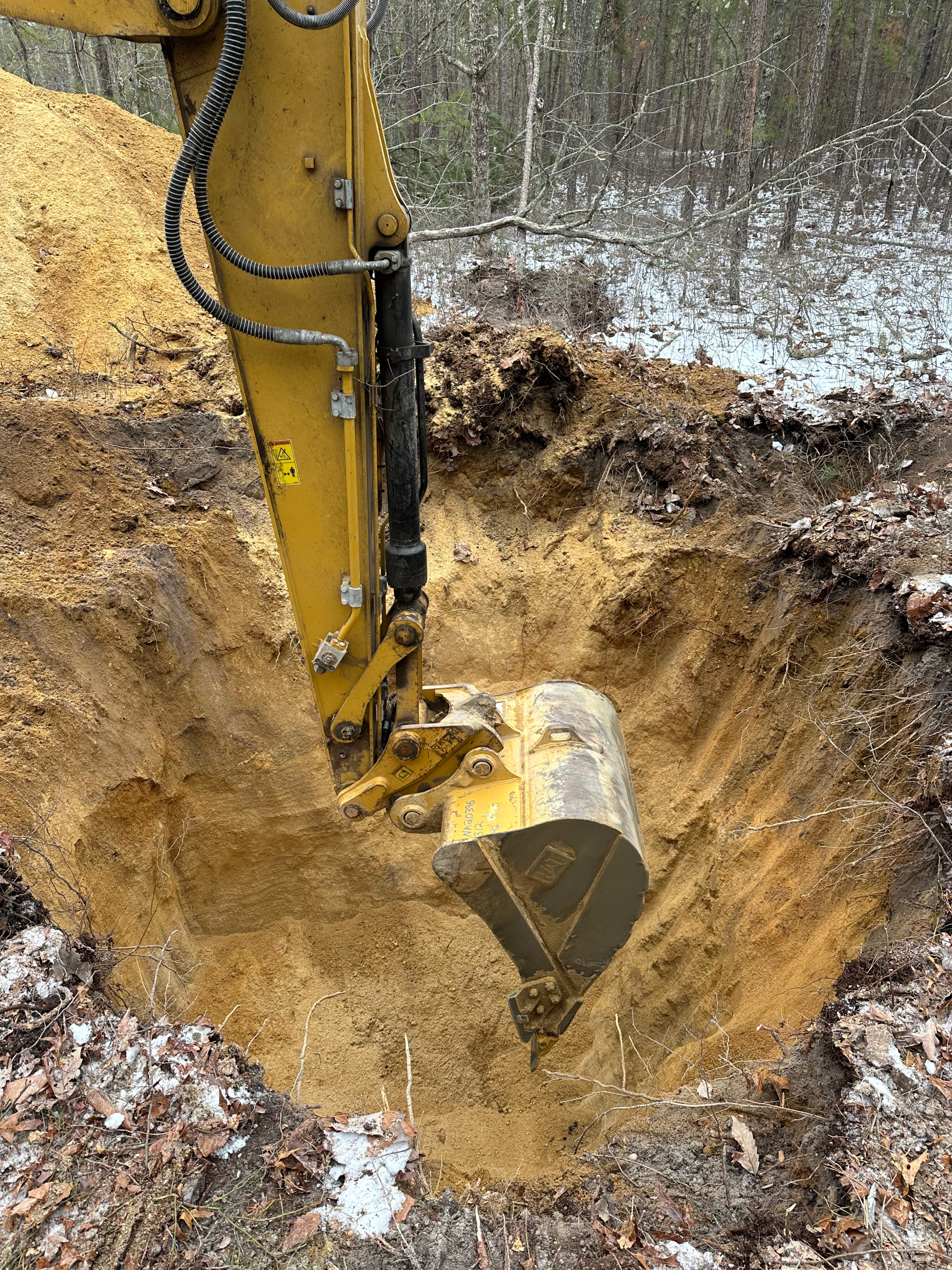
Our field teams collect soil samples at varying depths using industry-standard methods. Samples are analyzed for contaminants such as heavy metals, hydrocarbons, solvents, and pesticides — helping inform cleanup strategies or redevelopment planning.
-
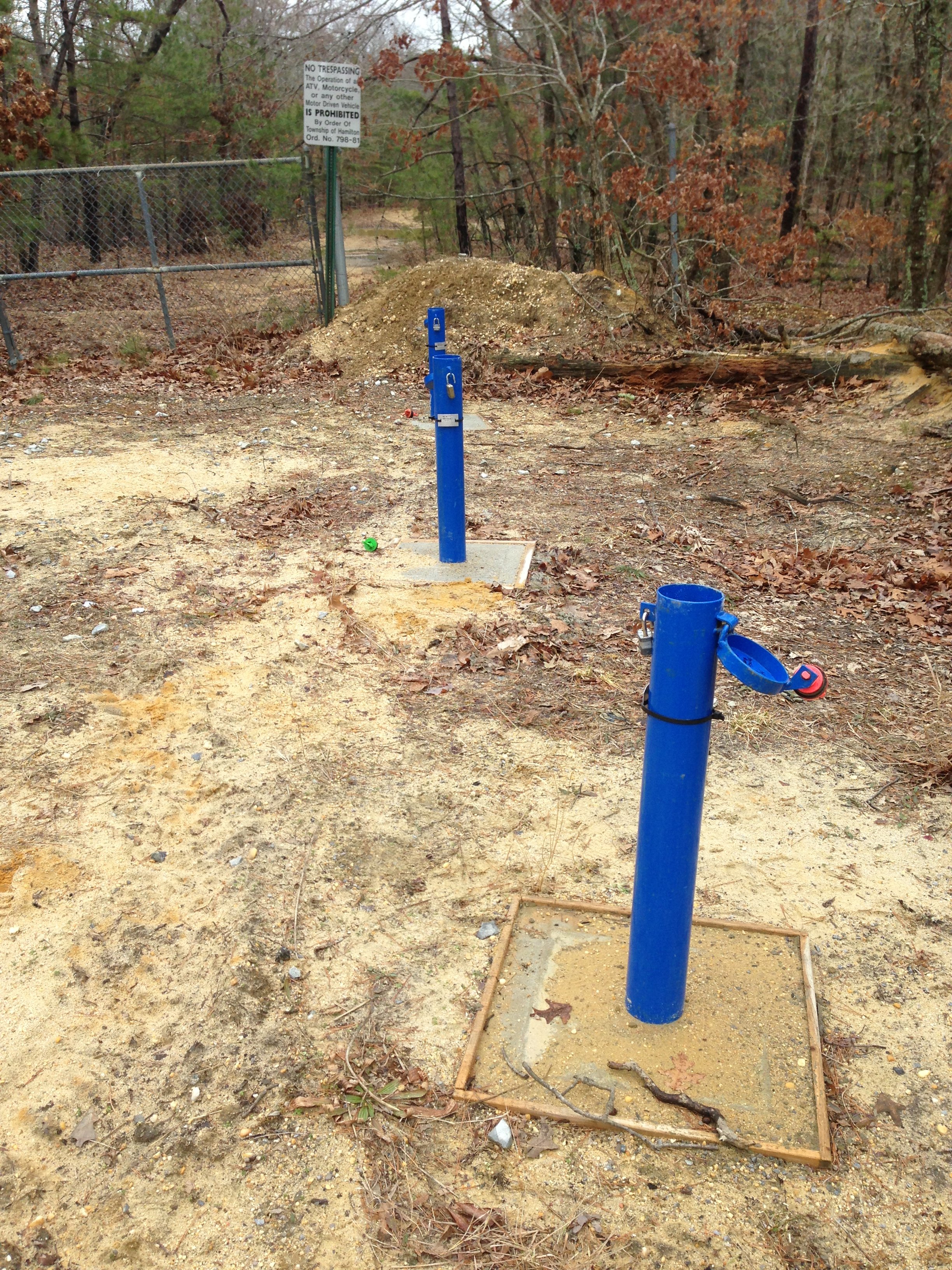
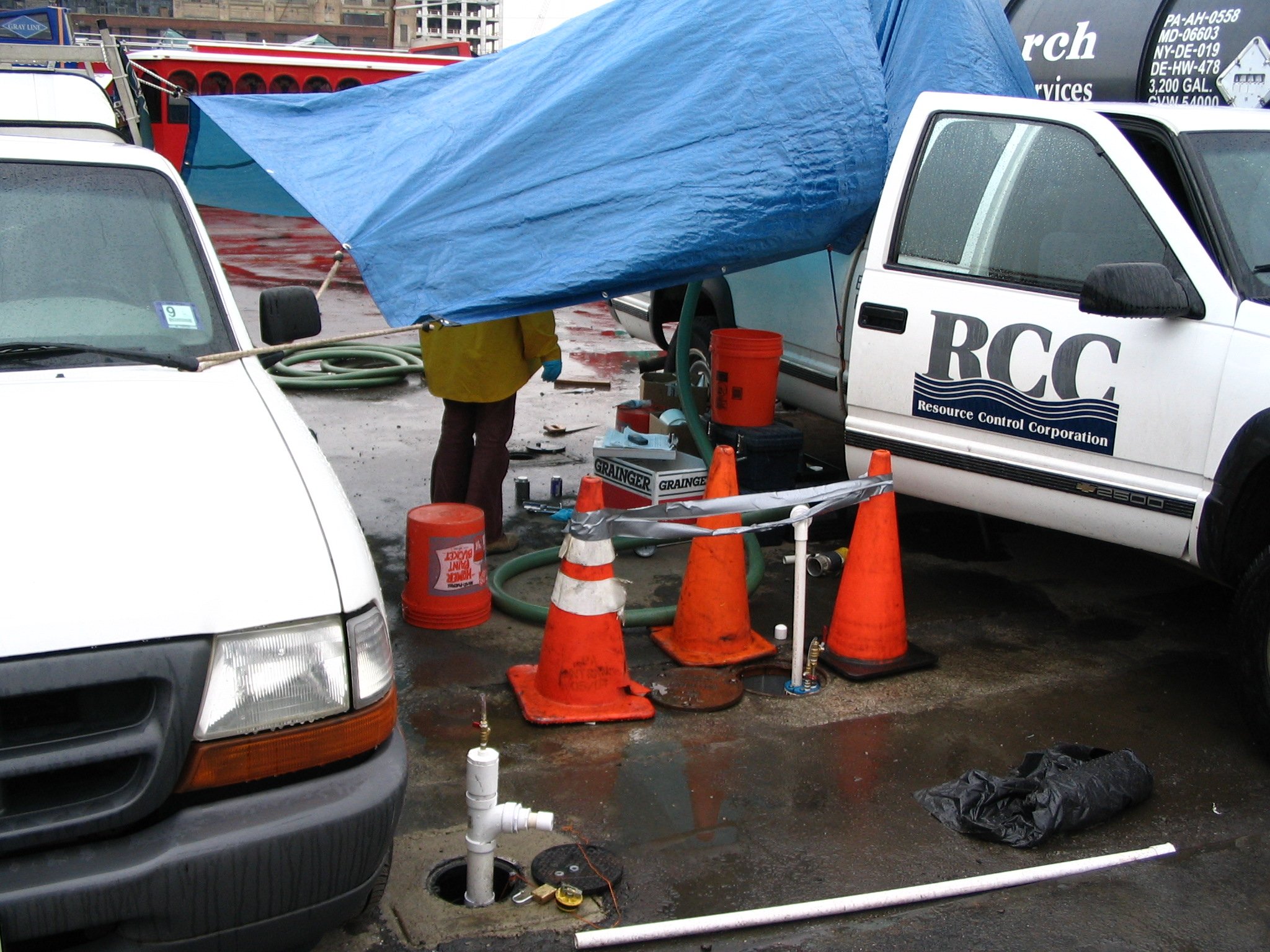
We install and monitor groundwater wells to collect samples for lab analysis. Understanding groundwater conditions is critical for evaluating human health risks, protecting nearby water resources, and meeting regulatory requirements.
-
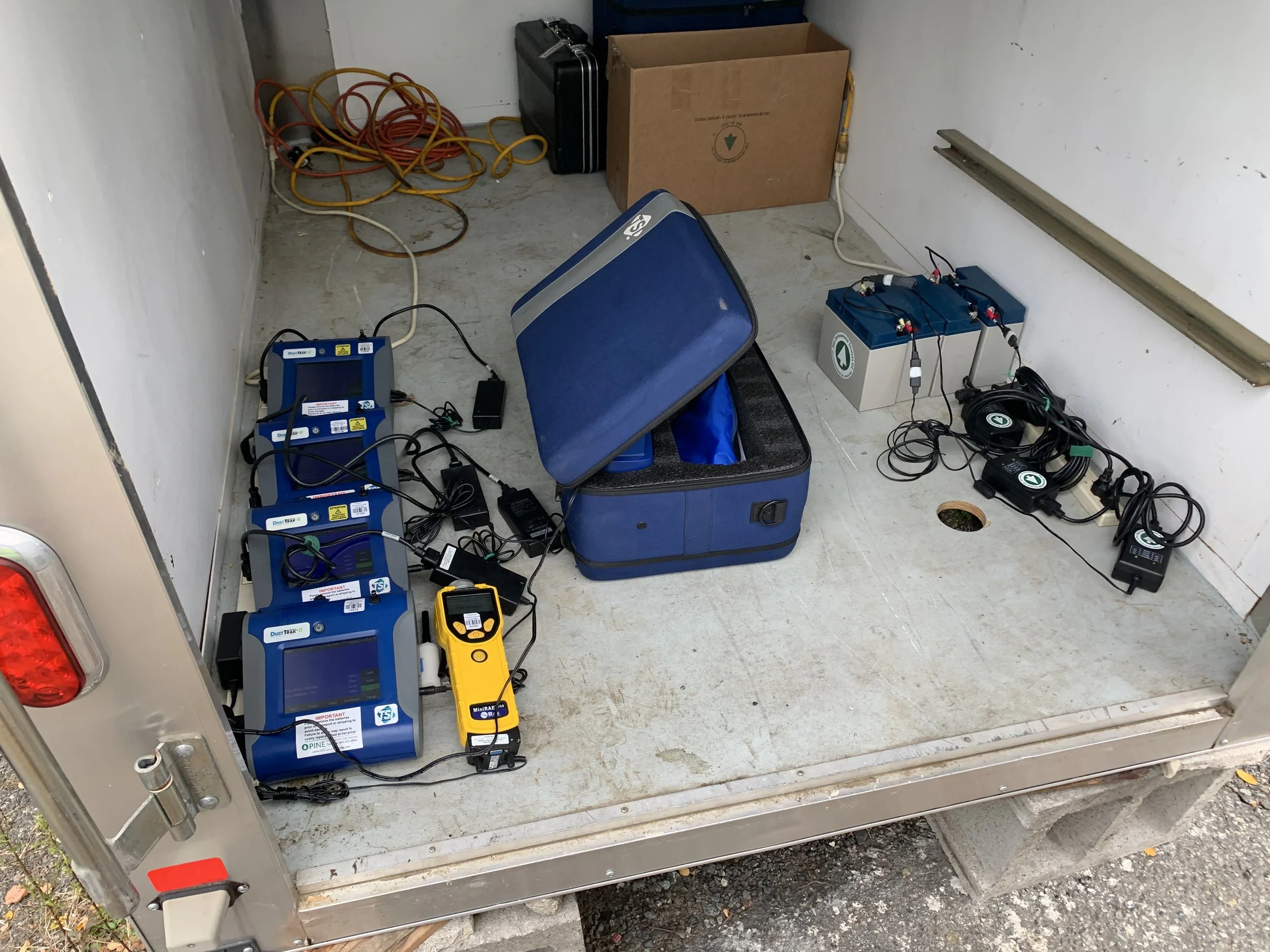
We assess whether volatile contaminants in soil or groundwater are migrating into buildings. This includes sub-slab vapor sampling and indoor air testing, often in response to regulatory concerns or redevelopment activities.
-
When contamination is confirmed, we perform comprehensive investigations to delineate the affected area. This includes high-resolution sampling and modeling to evaluate risks and inform the design of effective, site-specific remediation plans.
-
We design tailored remediation plans based on detailed site data, regulatory standards, and client goals. Whether the objective is site closure, redevelopment, or risk reduction, our team selects cost-effective, proven technologies to meet cleanup requirements and timelines.
-
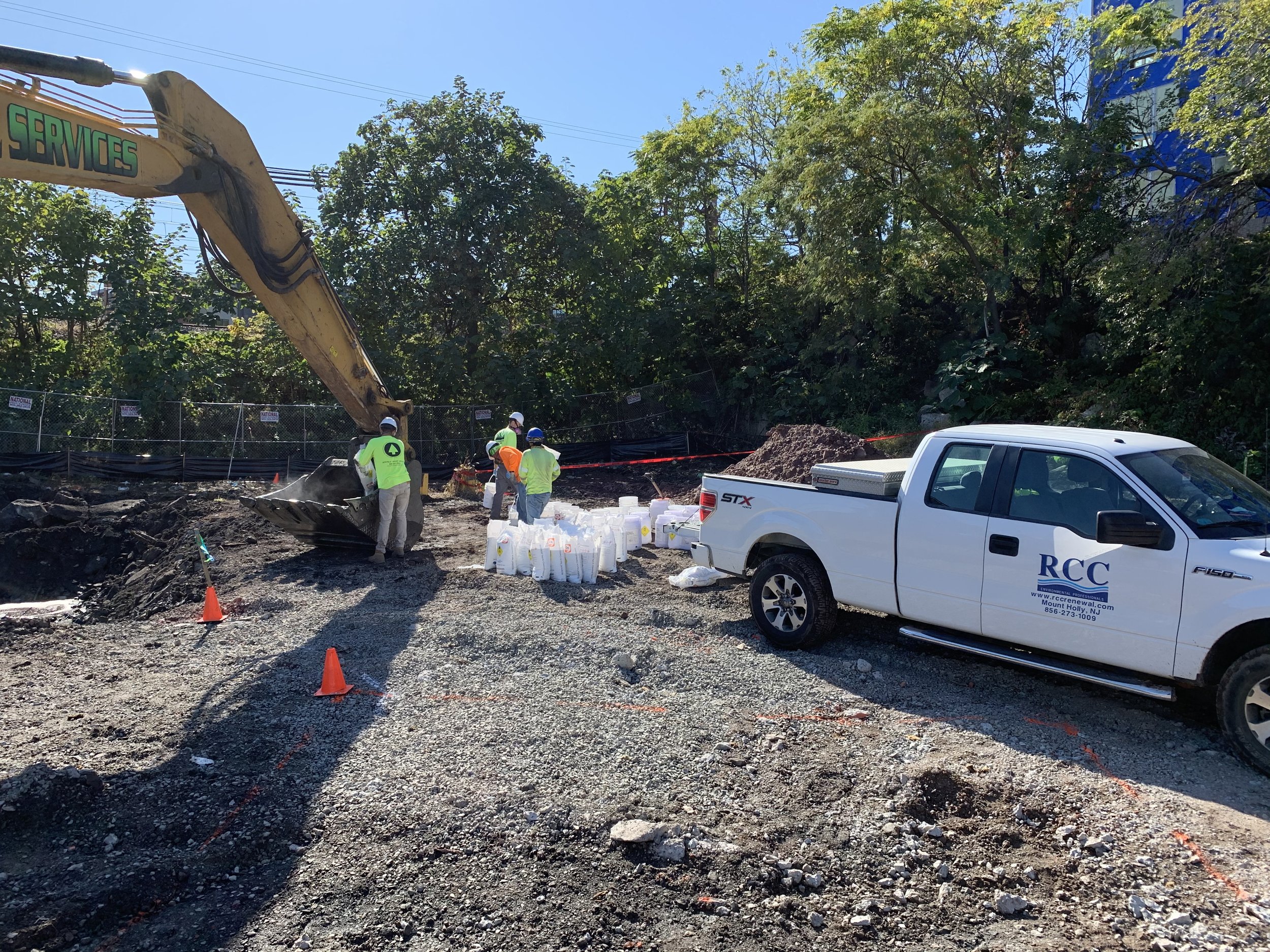
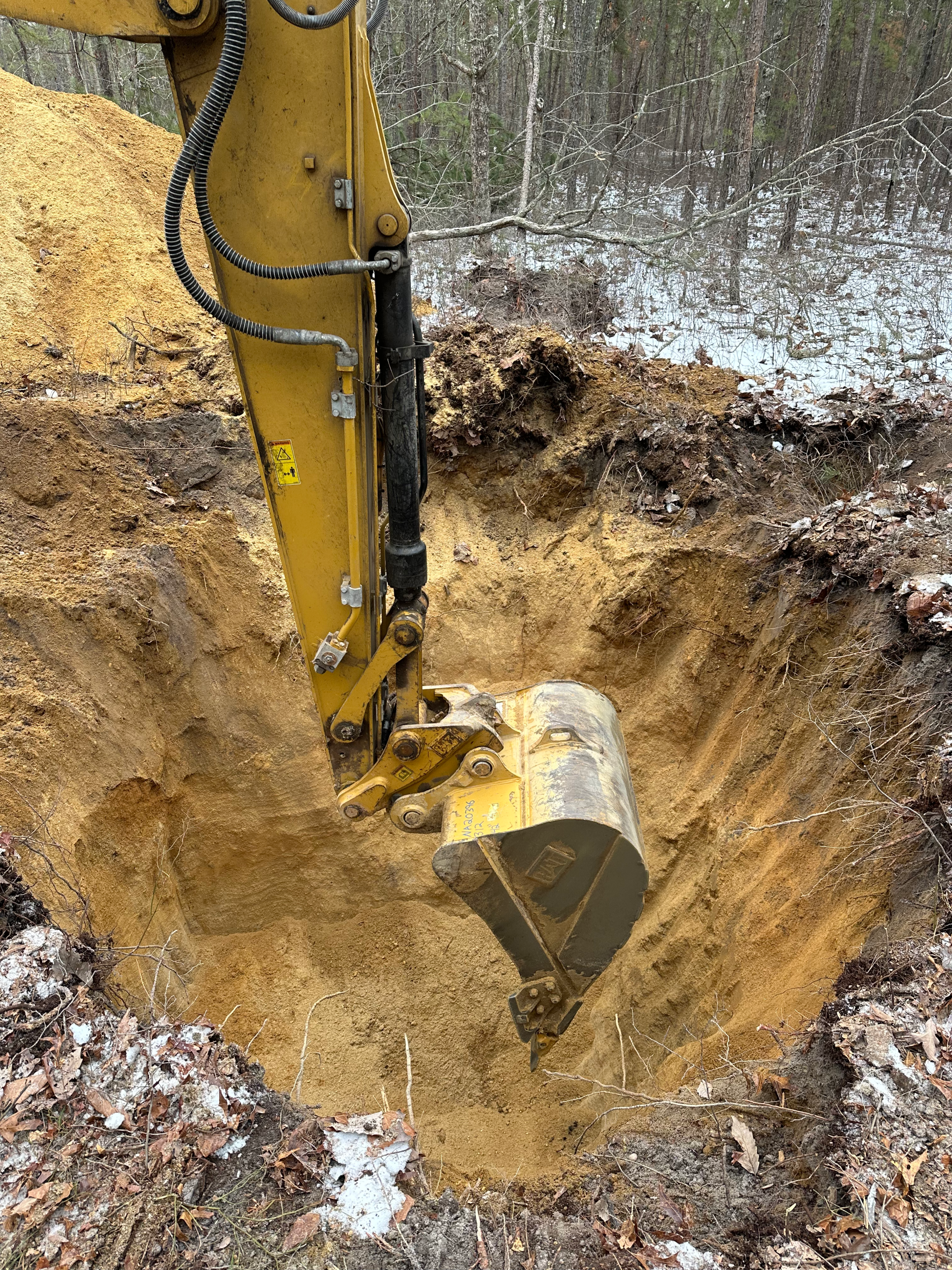
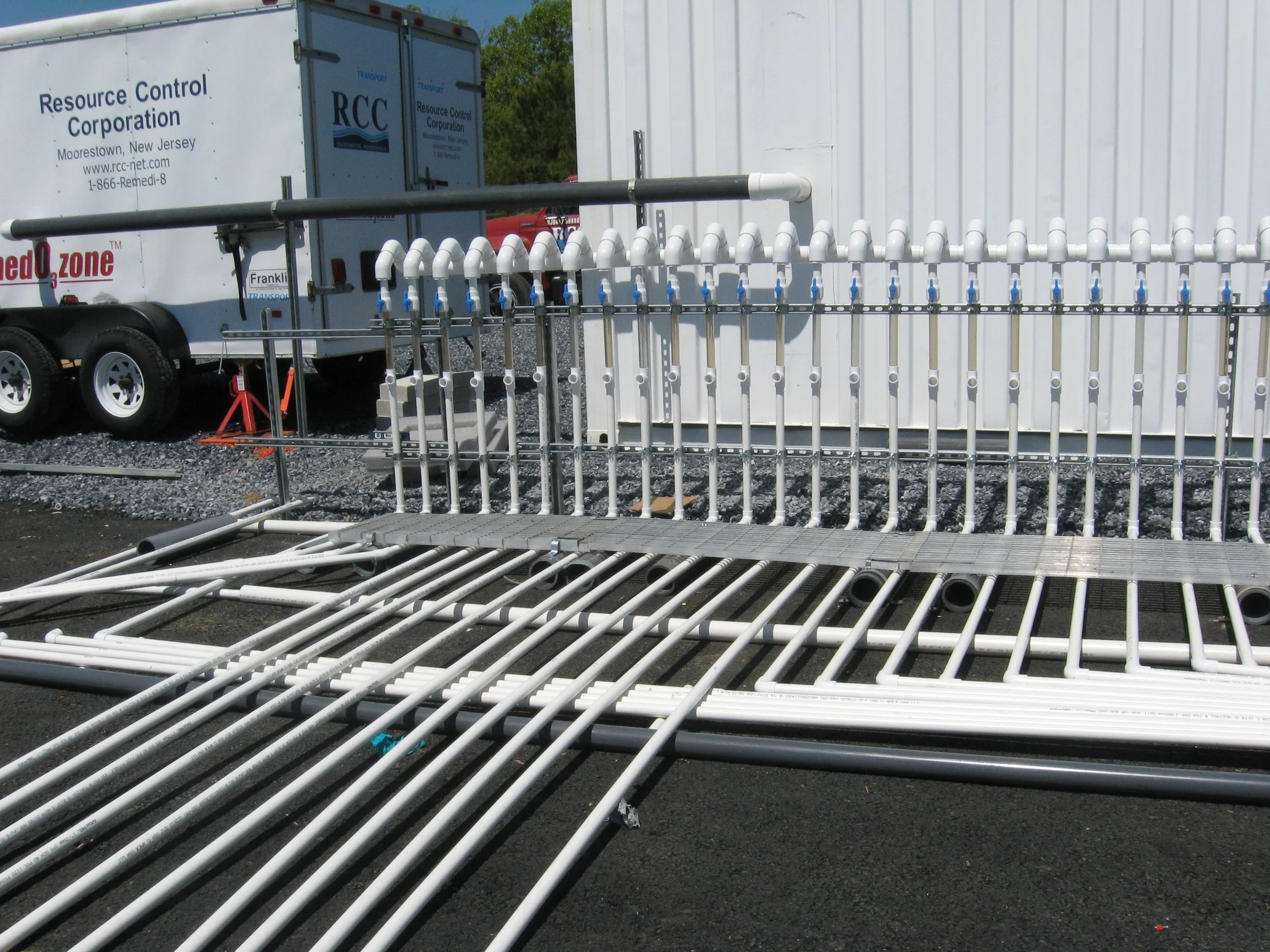
We implement chemical, biological, or physical treatment methods directly in soil or groundwater. Techniques include in-situ chemical oxidation (ISCO), bioremediation, and soil vapor extraction. In-situ methods reduce site disruption and are often ideal for active properties or limited-access areas.
-
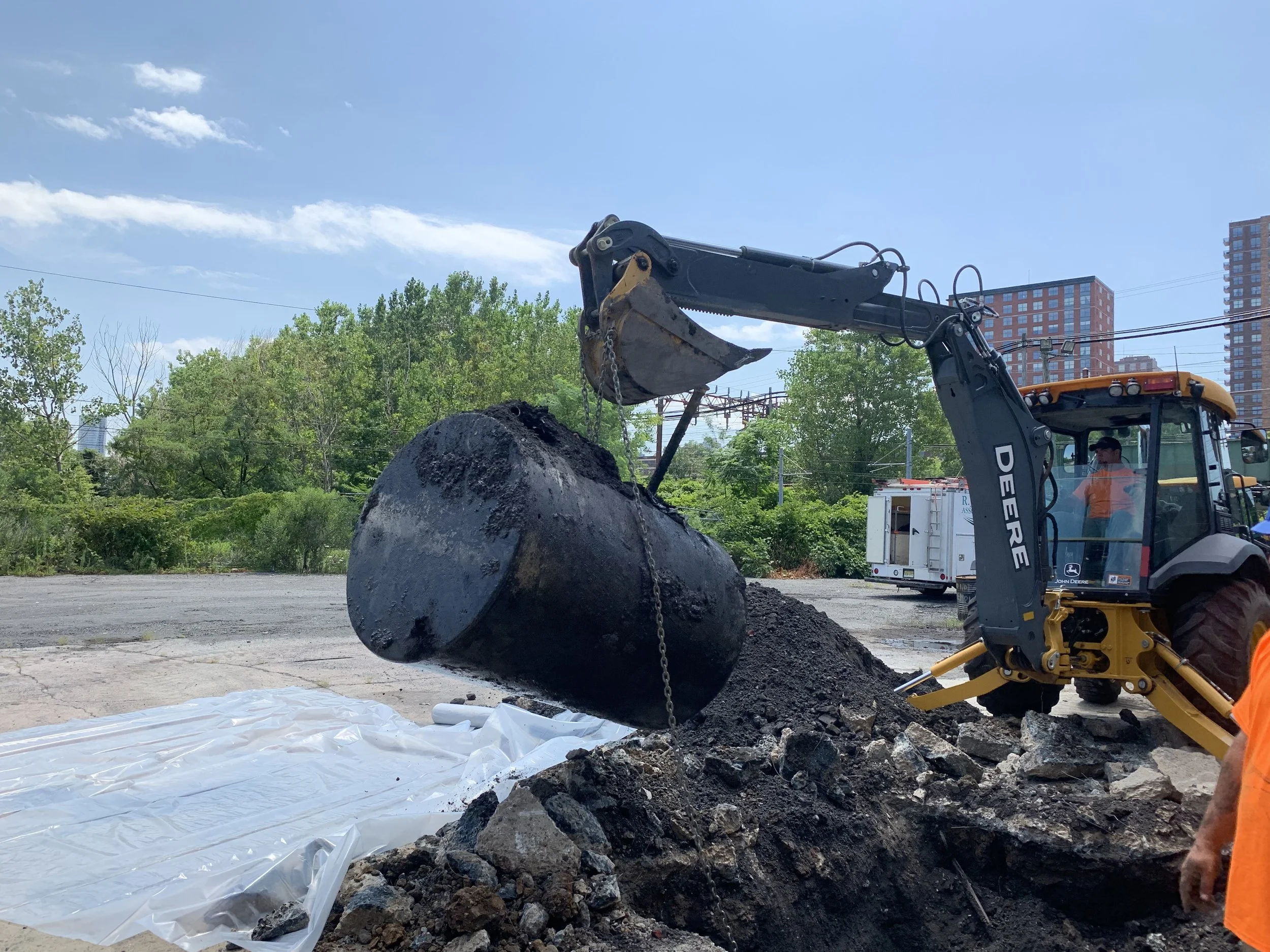
For situations requiring excavation, we coordinate soil removal, transport, and off-site disposal or treatment. Ex-situ methods are often used when contamination is concentrated or near the surface, offering faster results and permanent contaminant removal.
-
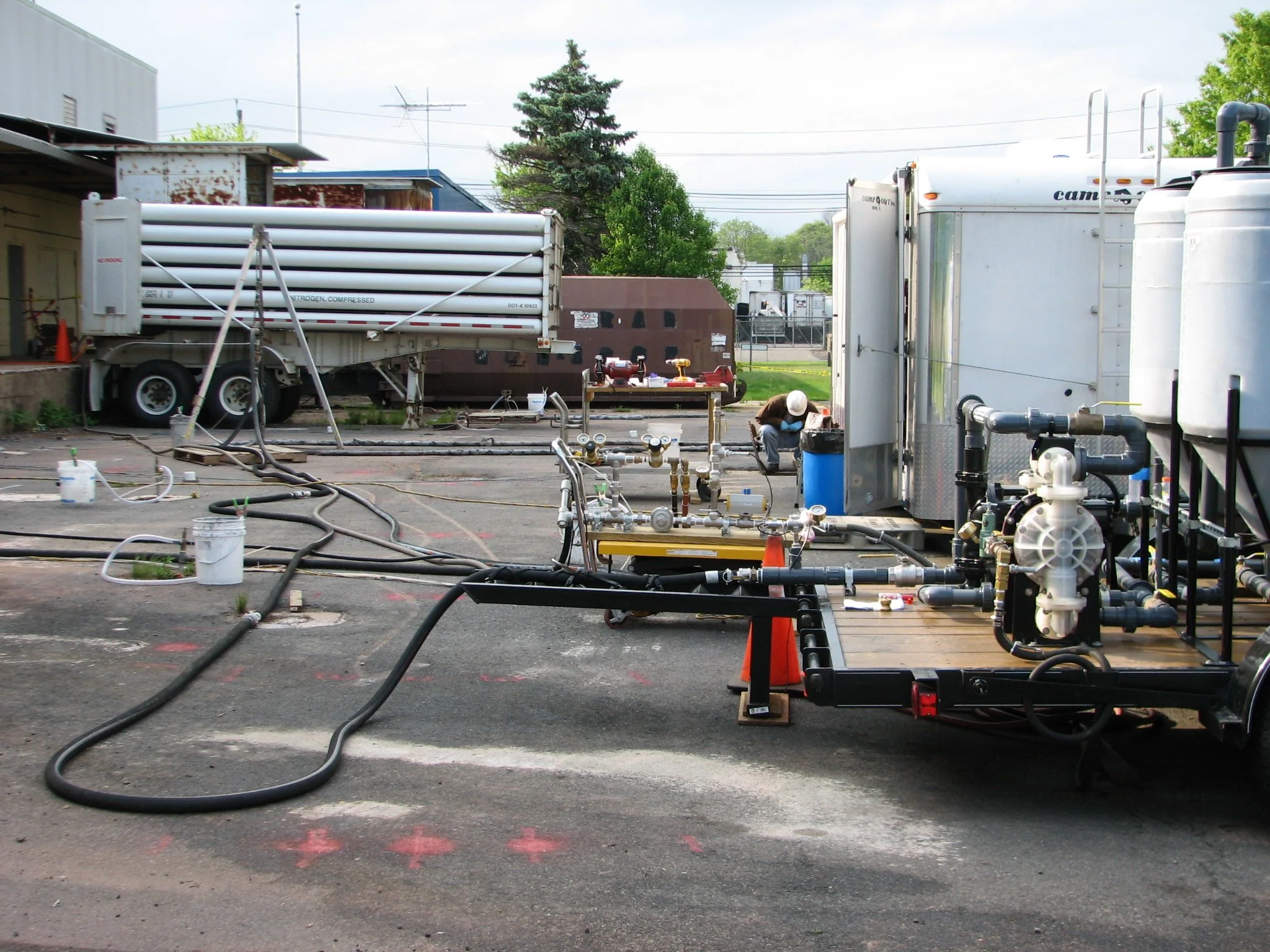
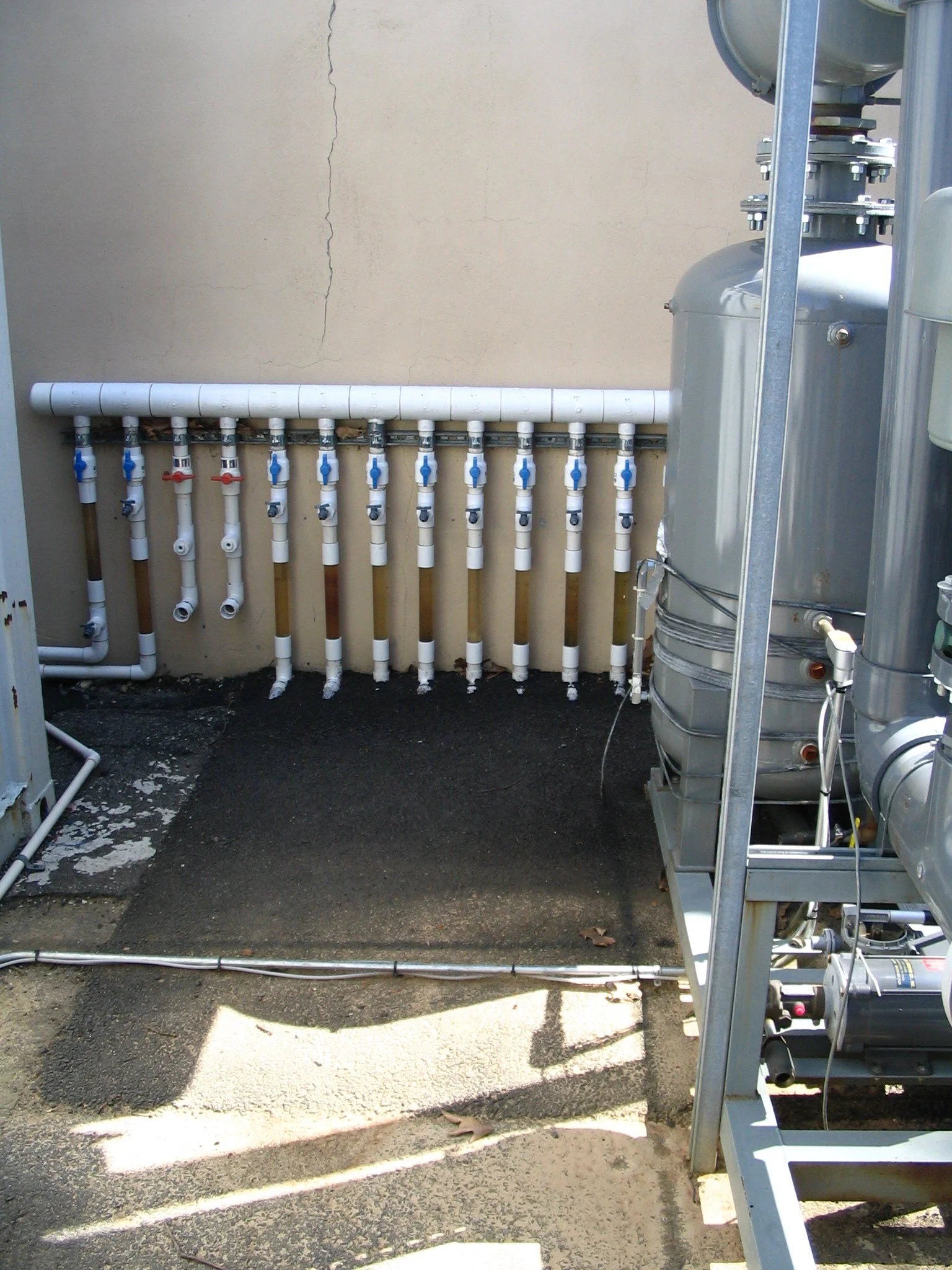
We design, install, and maintain pump-and-treat systems, permeable reactive barriers, and other technologies to remediate groundwater plumes. Our solutions are built for long-term performance and regulatory compliance.
-
Our team designs and installs systems to mitigate vapor intrusion from subsurface contamination. These include sub-slab depressurization systems, vapor barriers, and active venting technologies — often used in residential, commercial, and redevelopment settings.
-
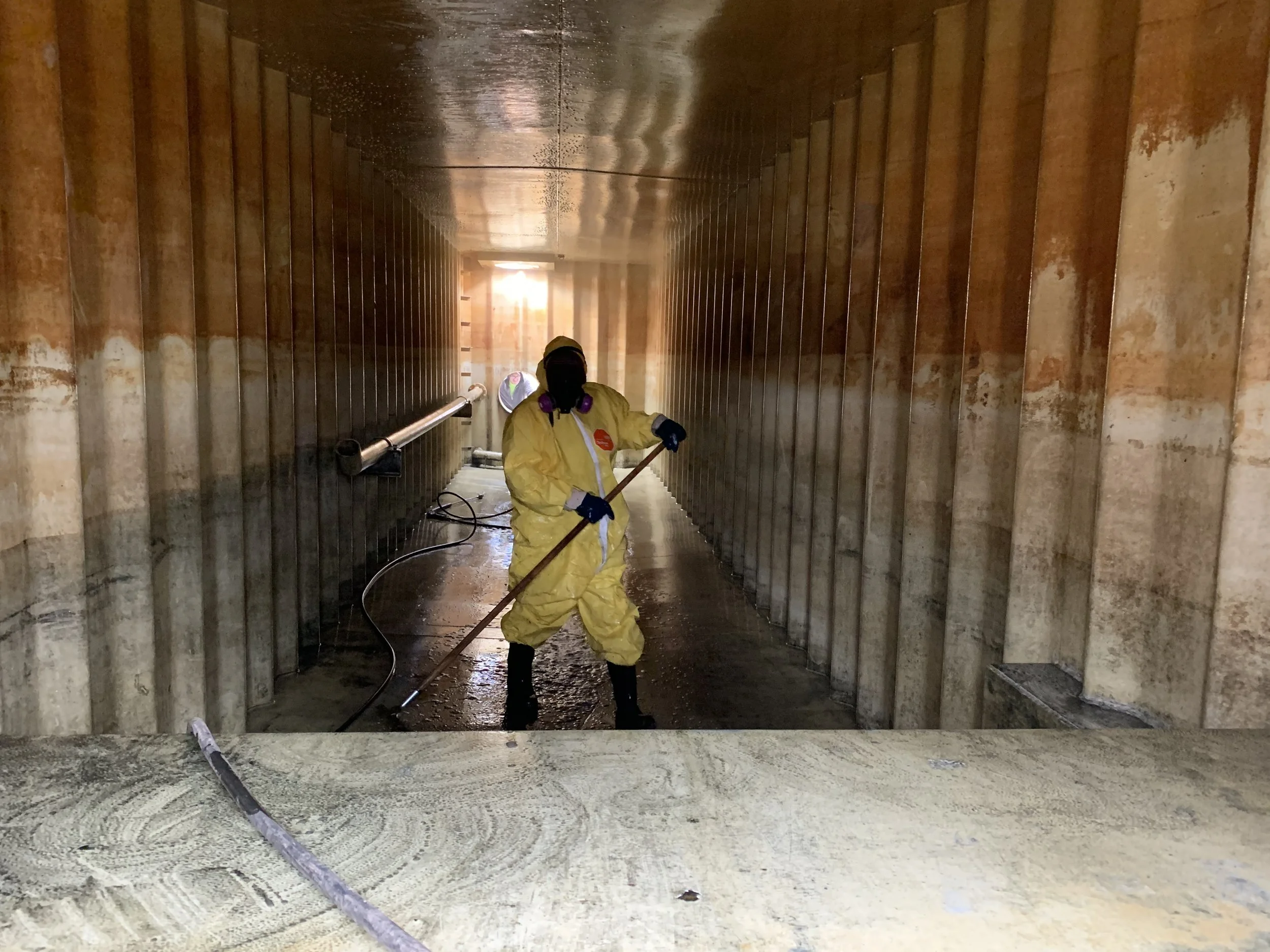
Post-remediation, we provide routine system inspections, sampling, performance evaluation, and reporting to regulatory agencies. OM&M is critical for meeting long-term cleanup goals, ensuring system reliability, and achieving regulatory closure.
-
We assist with identifying, preparing, and submitting permit applications across federal, state, and local agencies. This includes air, water, stormwater, wastewater, hazardous materials, and land disturbance permits. We help clients navigate complex permitting processes and avoid costly delays.
-
Our audits identify non-compliance issues and potential risks, providing actionable recommendations to correct deficiencies. These assessments can be conducted voluntarily or in preparation for agency inspections, acquisitions, or internal reviews.
-
We help clients properly manage hazardous substances in accordance with RCRA, EPCRA, and state regulations. This includes waste characterization, manifest documentation, storage area inspections, and training programs.
-
We prepare SPCC plans per EPA guidelines for facilities that store oil or hazardous substances. Services include site evaluations, secondary containment design, plan certification, and employee training.
-
We represent clients in communications with local, state, and federal agencies, including responding to notices of violation, negotiating compliance schedules, and managing reporting obligations. Our goal is to reduce risk and maintain cooperative regulatory relationships.
-
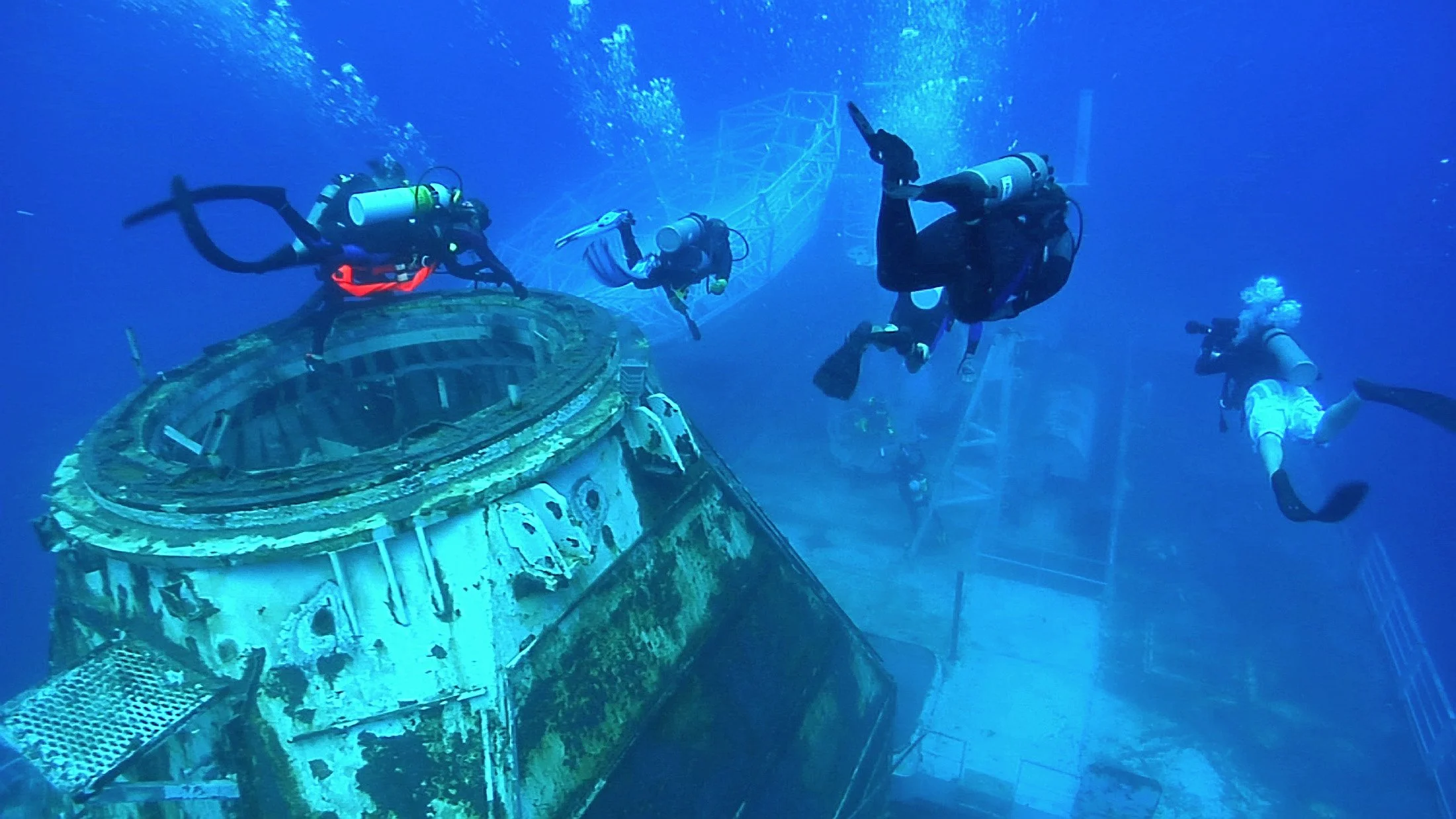
We assist in the planning, permitting, and deployment of artificial reefs using decommissioned vessels, concrete structures, or purpose-built modules. Our services include site selection, ecological assessments, materials certification, and coordination with regulatory agencies to ensure compliance with federal and state environmental standards. These projects support marine conservation, fisheries enhancement, and ecotourism opportunities.
-
We guide clients through the TSCA (Toxic Substances Control Act) compliance process — particularly the inspection, sampling, and remediation of PCBs and other regulated materials on vessels. This is essential when foreign-flagged ships are reflagged for U.S. operation or before artificial reefing or dismantling. Our team conducts materials testing, documentation, and coordination with the EPA to support deflagging, import approvals, or environmentally sound vessel retirement.
-
We provide GIS consulting services tailored to environmental applications, including wetland delineation mapping, sensitive area overlays, land use analysis, and regulatory buffer modeling. Our geospatial products support NEPA documentation, permit submittals, and environmental impact assessments — ensuring spatial data aligns with federal, state, and local regulatory requirements.
-
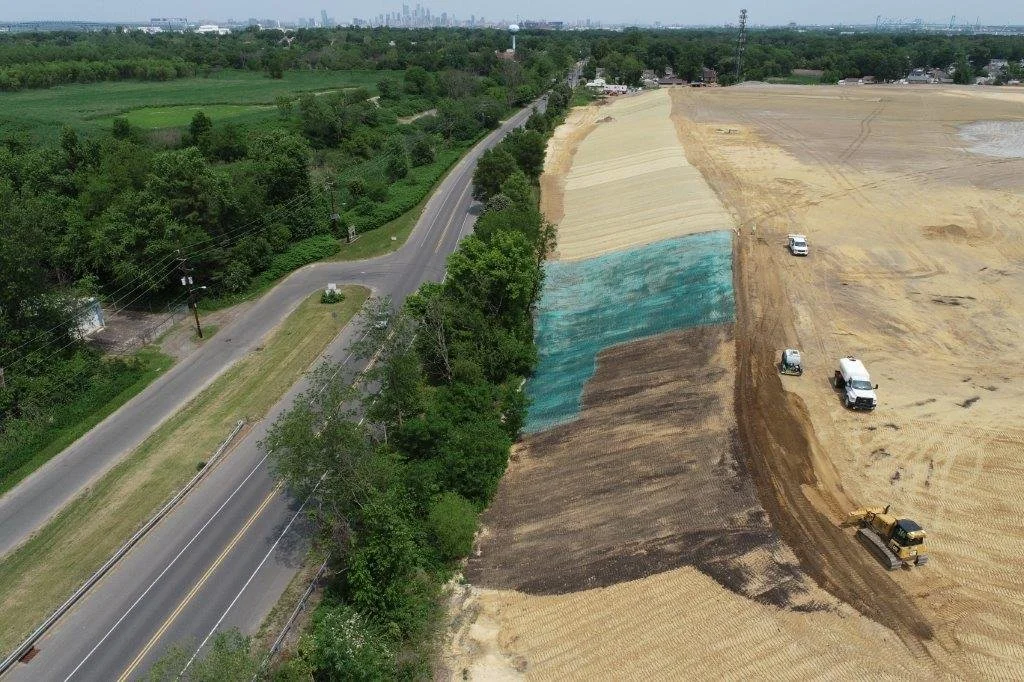
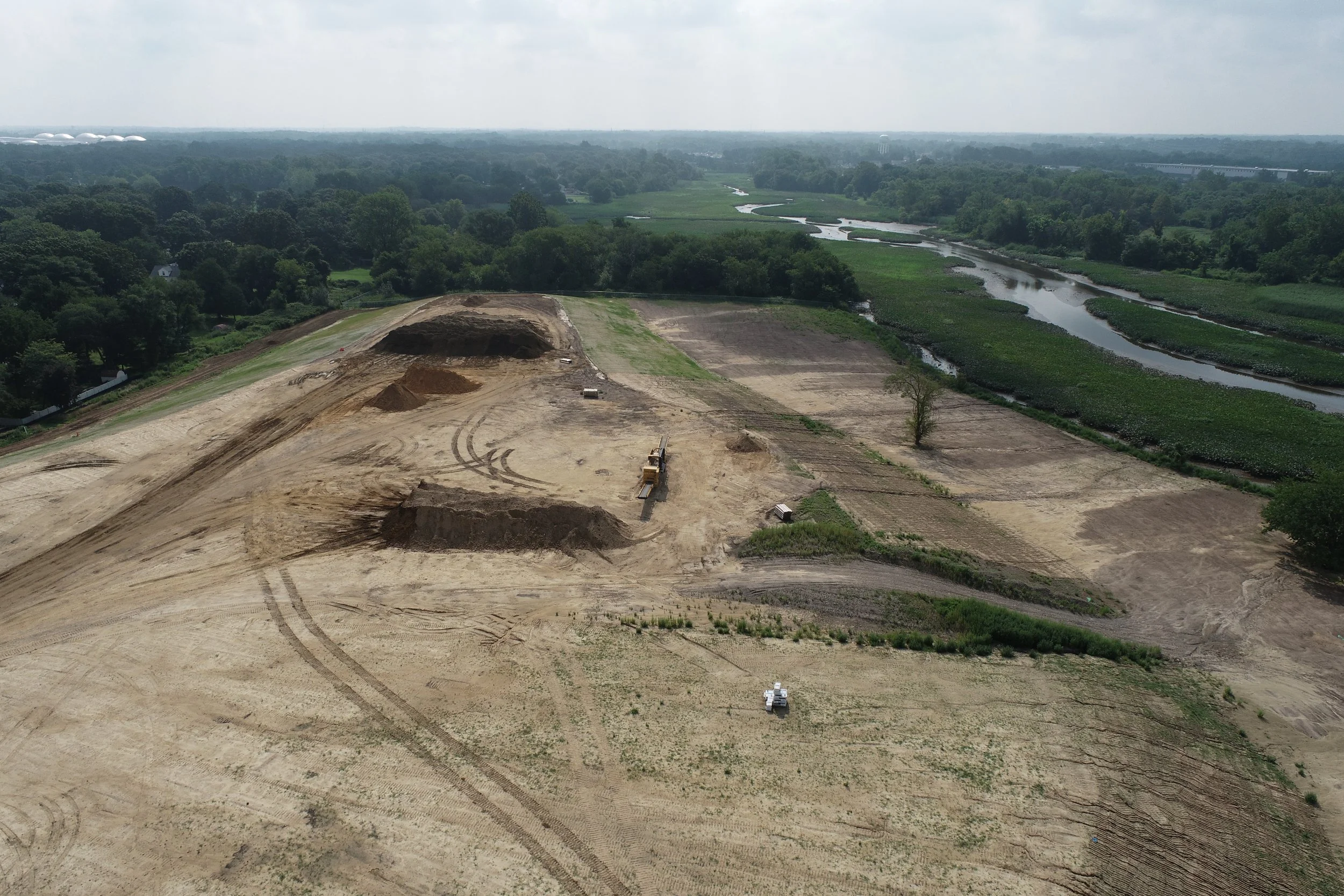
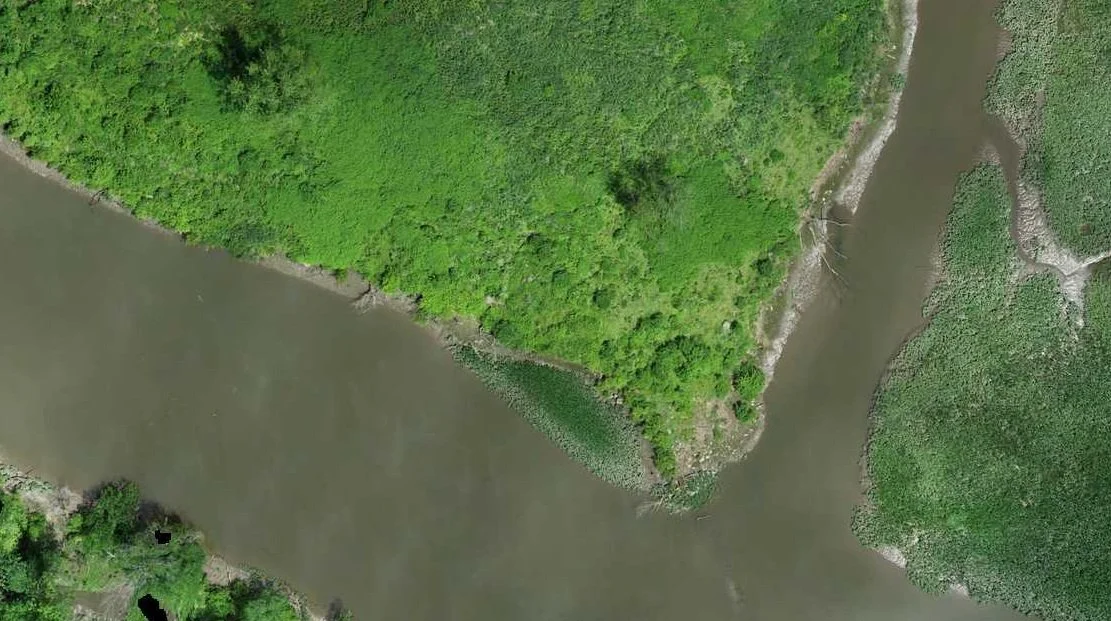
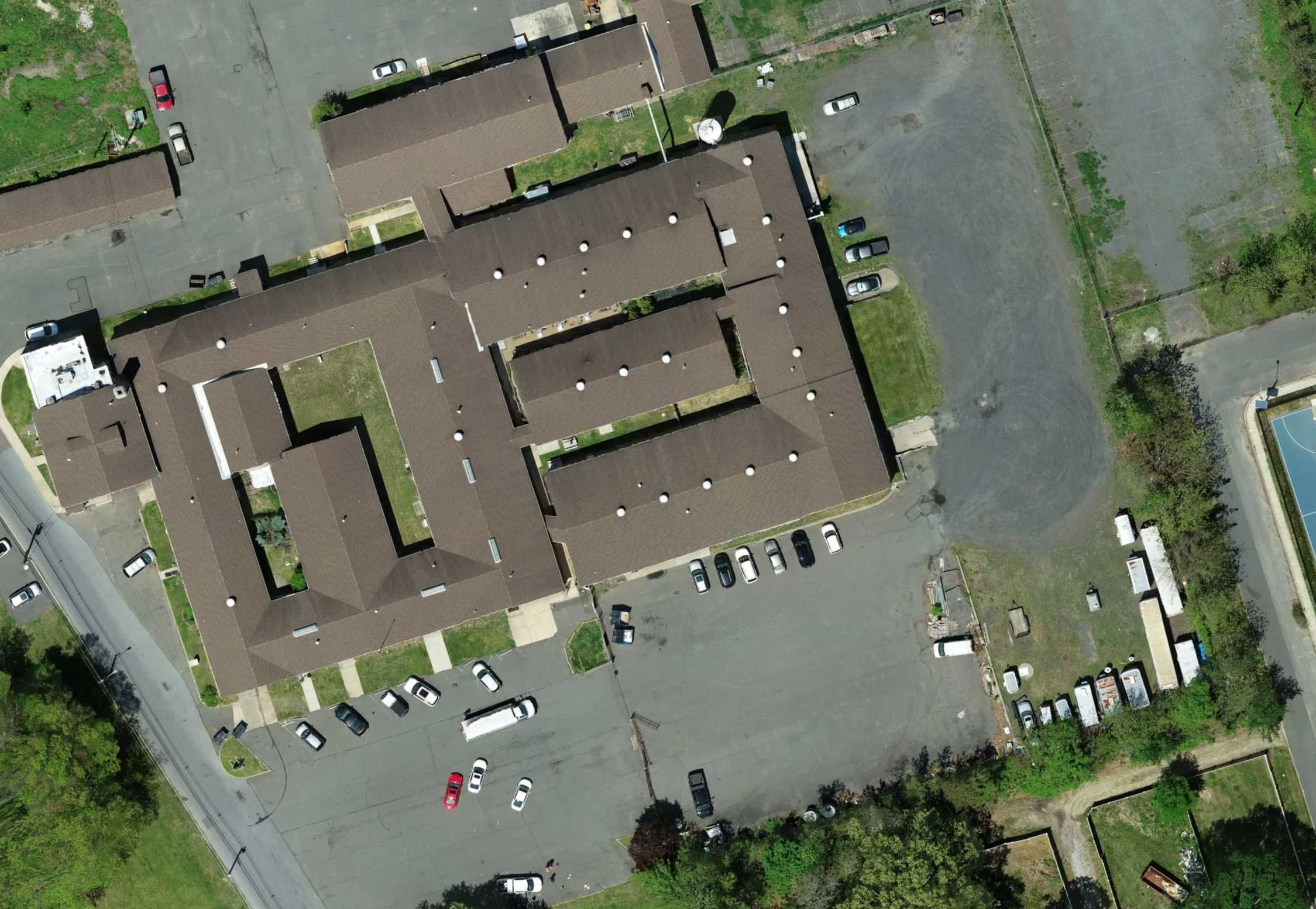
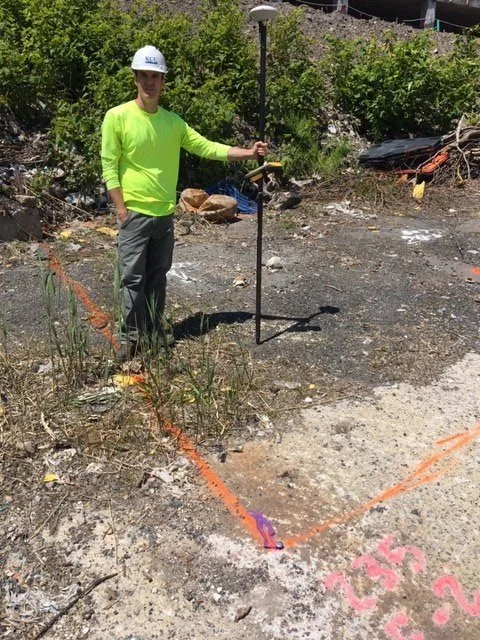
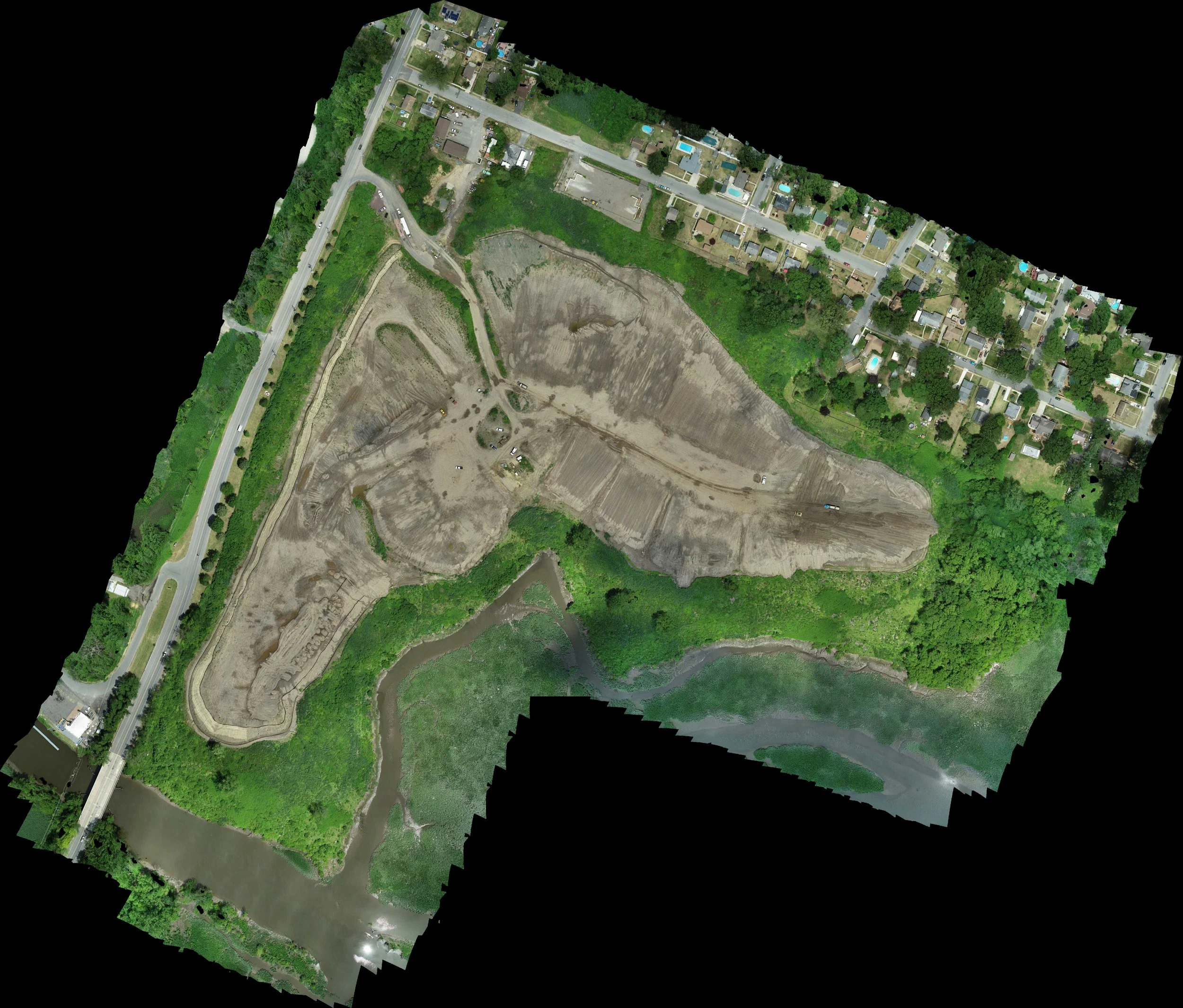
Our FAA-licensed drone operators capture detailed aerial imagery, orthomosaics, thermal data, and 3D terrain models. This enhances site visibility for vegetation mapping, erosion monitoring, construction progress tracking, and inspection of hard-to-access areas — with rapid turnaround and minimal site disturbance.
-
Using aerial photogrammetry and LiDAR data, we build detailed 3D models of terrain, infrastructure, and environmental features. These models support volume calculations, floodplain assessments, remediation design, and stakeholder communication — turning complex site data into intuitive, actionable visuals.