
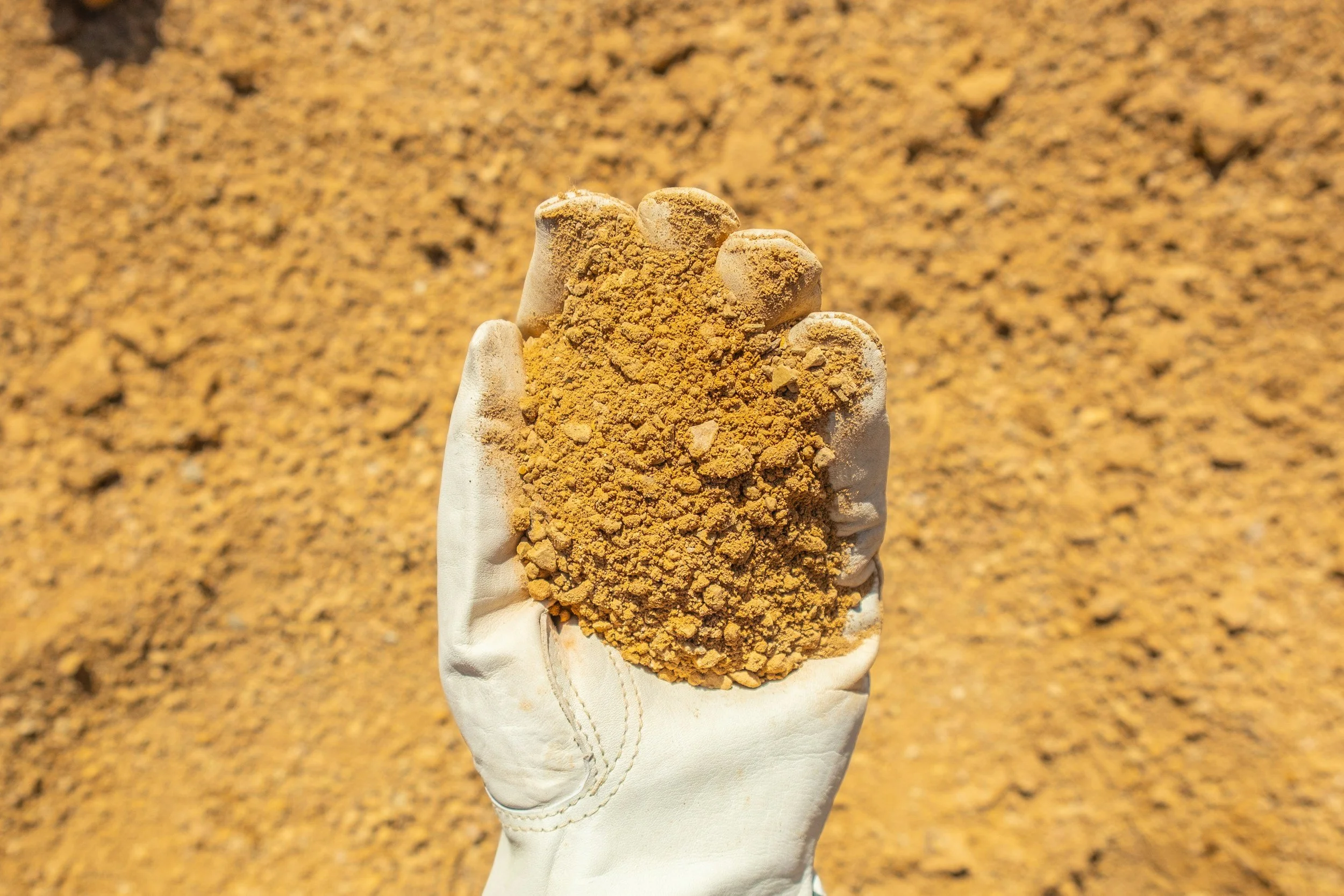
Soils
RCC conducts soil investigations to characterize subsurface conditions, identify potential environmental impacts, and generate defensible data for regulatory compliance, property transactions, and remedial design. Soil investigations typically follow areas of concern identified during Phase I due-diligence or regulatory requirements and are planned using a site-specific Conceptual Site Model (CSM) that targets likely contaminant sources, pathways, and receptors.
Field activities may include:
Test pits and direct-push soil borings
Geotechnical characterization for redevelopment
PID/FID field screening of soils
Collection of discrete or composite soil samples
GPS-tracked sampling for accurate geospatial reporting
Handling under strict QA/QC and chain-of-custody procedures

Samples are analyzed by certified laboratories for petroleum hydrocarbons, chlorinated solvents, metals, PFAS, pesticides, PCBs, or other project-specific parameters. Analytical results are compared to applicable state or federal standards and evaluated to determine:
Presence and distribution of contaminants
Potential excavation or soil management needs
Source identification for Phase II or remediation planning
Contaminant migration potential to groundwater or air pathways
Soil investigations support a wide range of projects, including brownfield redevelopment, landfill monitoring, industrial facility compliance, underground storage tank closures, emerging contaminant evaluations, solar field development, and pre-construction planning.