McCandless Petroleum
Franklinville, NJ
From legacy petroleum operations to regulatory closure and environmental restoration.
Technical Challenges
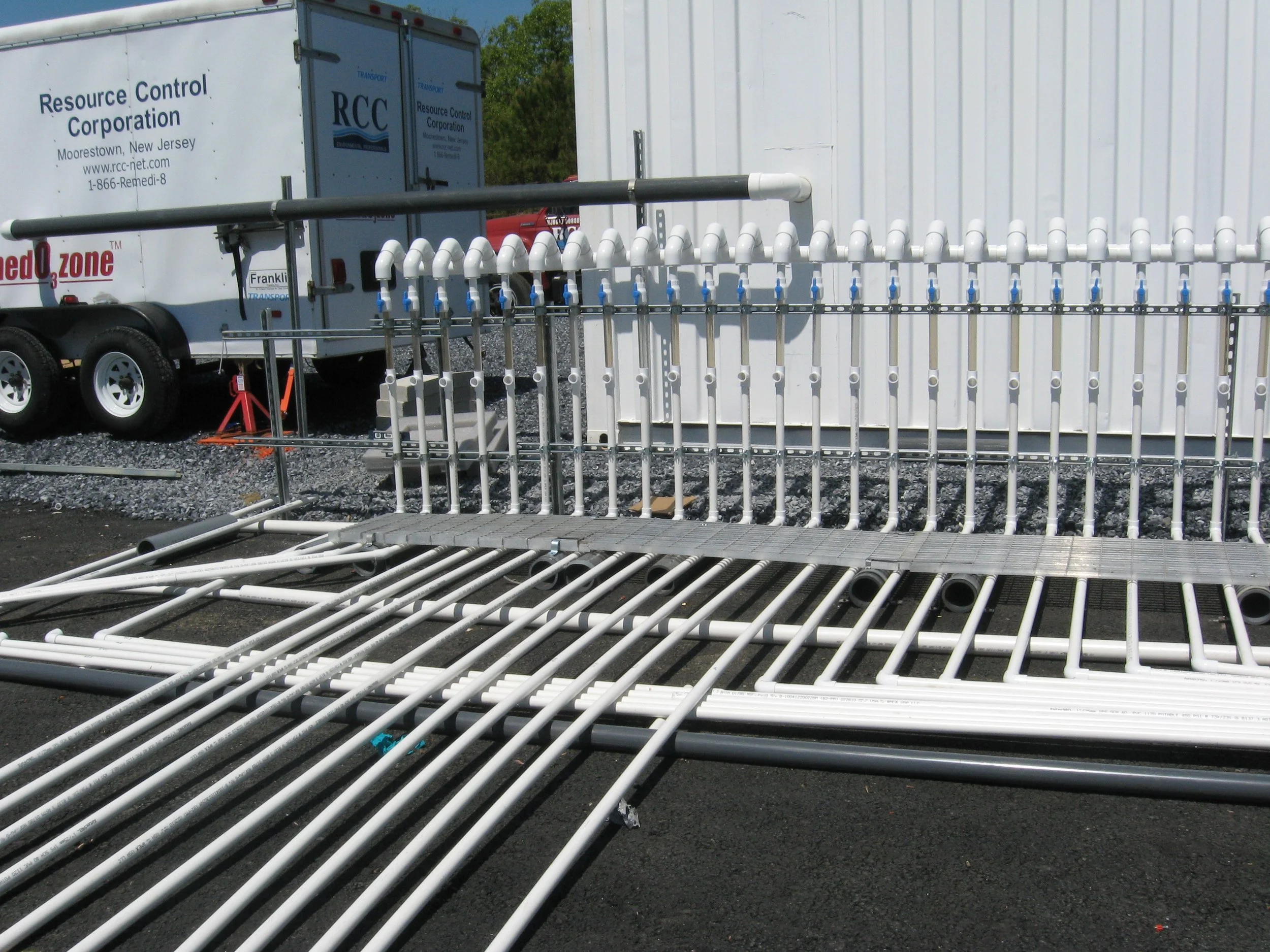
The McCandless site presented a uniquely complex remediation challenge due to the combination of petroleum contamination, chlorinated compounds, and TSCA-regulated PCB impacts occurring across multiple source areas.
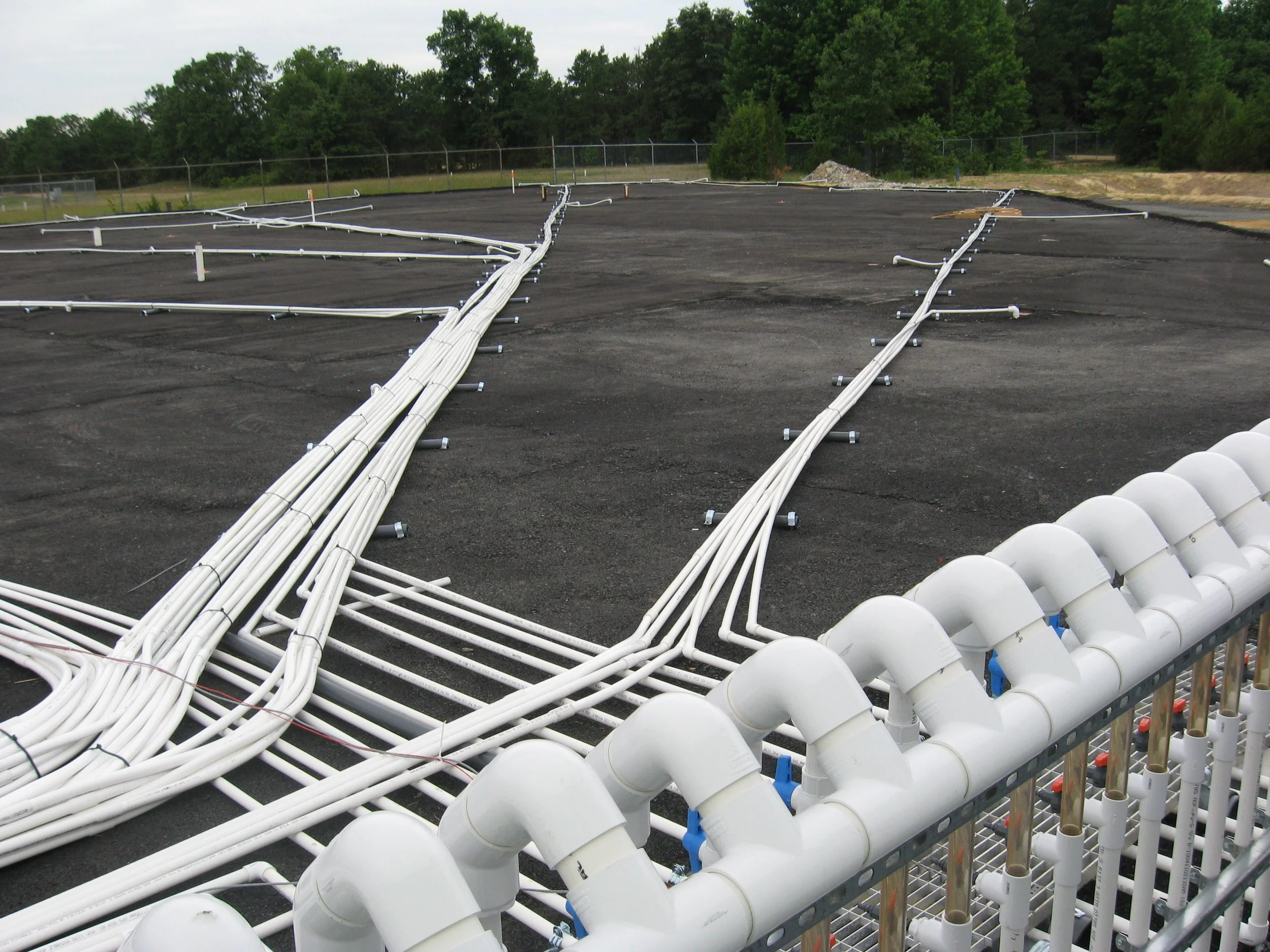
More than ten Areas of Concern were identified throughout the property, including tank storage areas, loading facilities, waste handling areas, and former operational infrastructure. Historical investigations documented contaminant migration into adjacent properties and groundwater, requiring the development of multiple operable units and a phased remediation strategy.
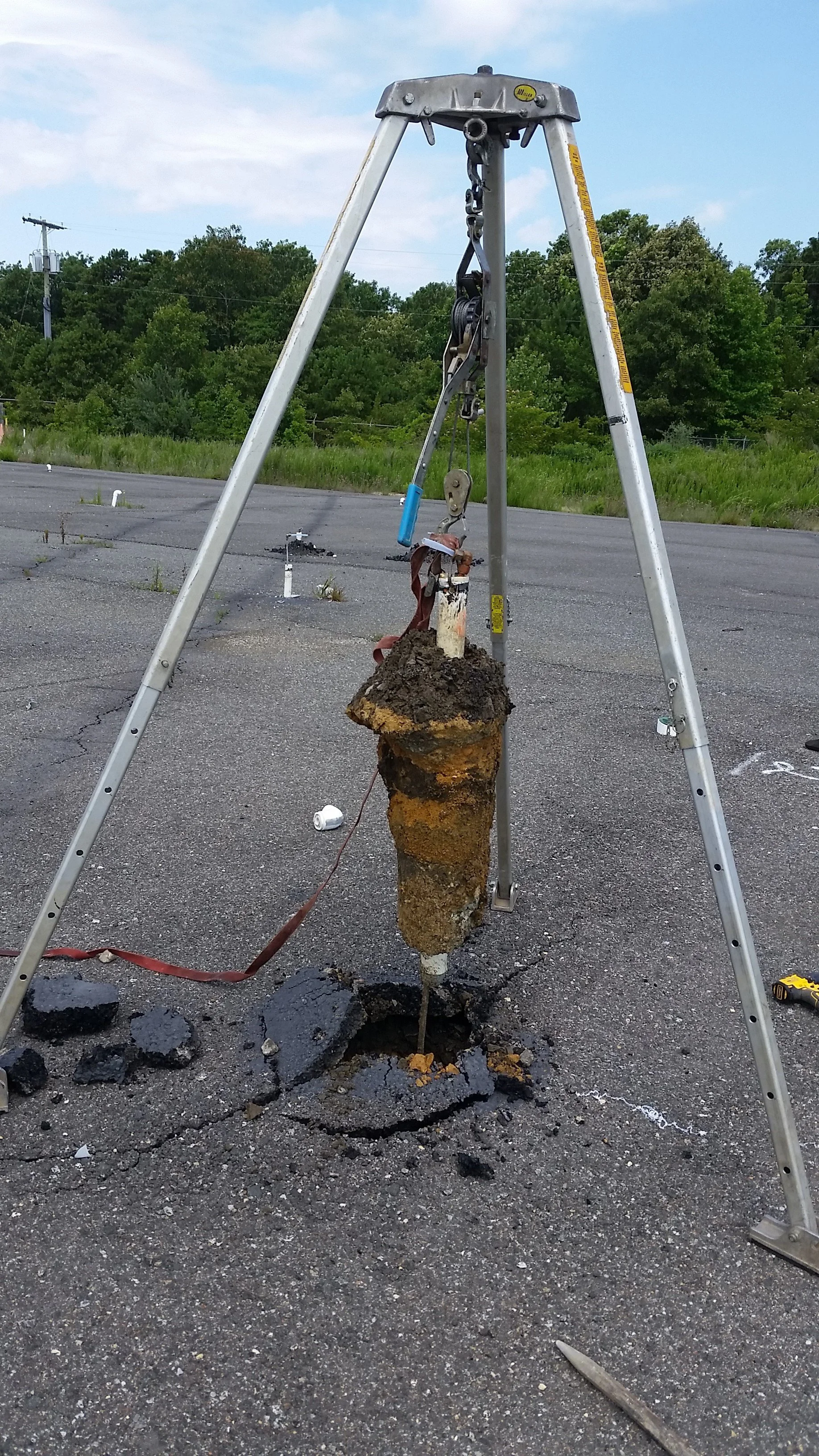
In addition to addressing contaminated soils, RCC evaluated and managed a groundwater plume containing petroleum-related compounds, chlorinated solvents, PCBs, and other contaminants. The project required integration of decades of environmental data, coordination with regulatory agencies, groundwater monitoring network management, and development of long-term remedial controls.
Project Outcome
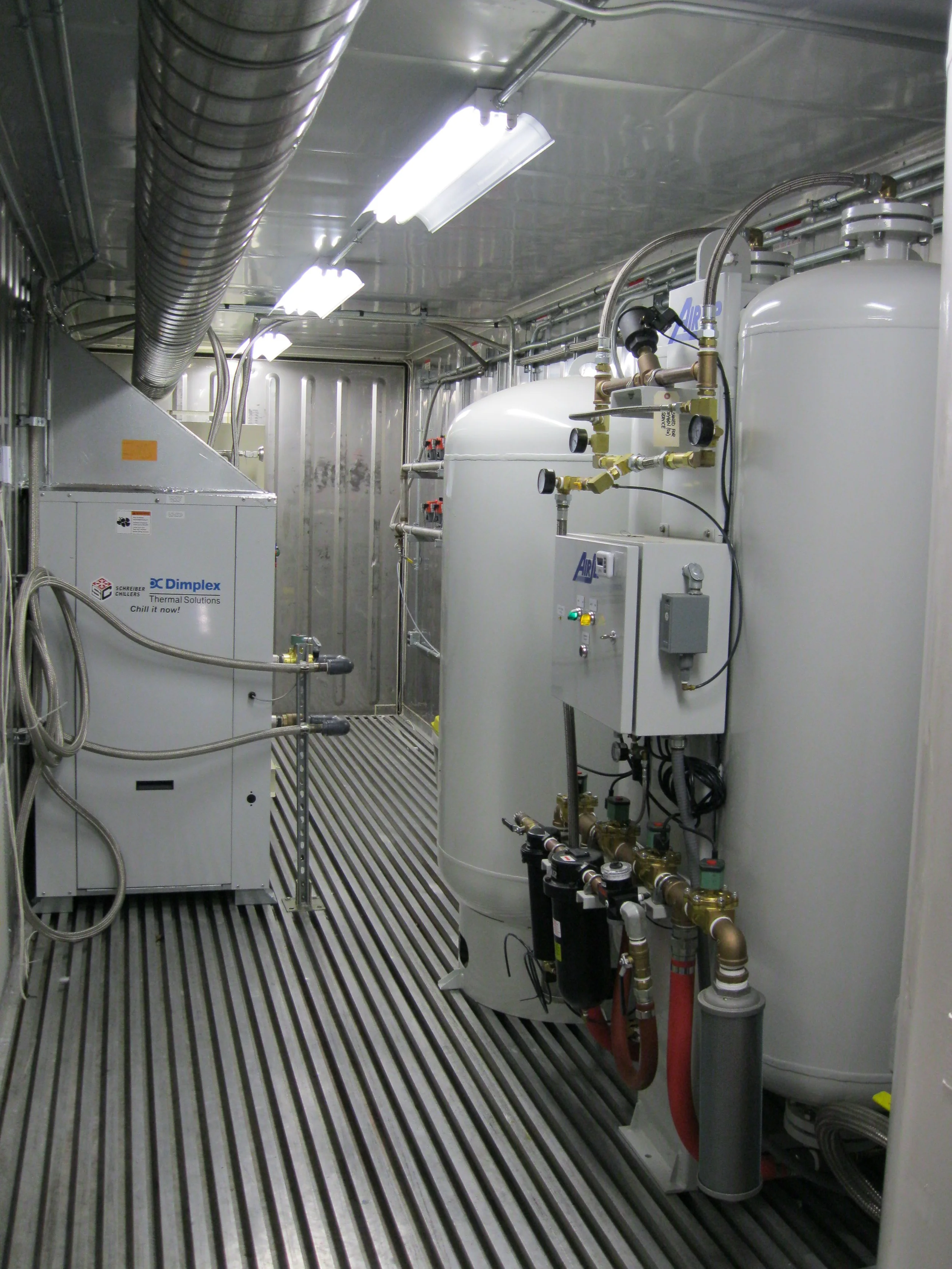
The McCandless Petroleum project represents one of RCC's most comprehensive remediation efforts, involving large-scale environmental investigation, soil remediation, groundwater management, and long-term regulatory compliance.
Through strategic remedial planning and execution, RCC successfully addressed decades of environmental impacts while establishing a protective framework for future site use. The project demonstrates RCC's expertise in complex petroleum facility remediation, TSCA-regulated PCB cleanup, groundwater plume management, remedial permitting, and implementation of practical, cost-effective solutions for environmentally challenged properties.
Project Overview
Resource Control Consultants (RCC) led environmental remediation and regulatory closure activities at the former McCandless Petroleum facility in Franklinville, New Jersey. The property operated for decades as a petroleum storage and distribution terminal and contained numerous historical operational areas including tank farms, loading racks, pump houses, underground storage systems, waste oil handling areas, and associated infrastructure.
Historical petroleum handling and industrial activities resulted in widespread environmental impacts affecting soil and groundwater across multiple areas of the site. Environmental investigations identified petroleum hydrocarbons, chlorinated compounds, semi-volatile organic compounds (SVOCs), metals, and polychlorinated biphenyls (PCBs) associated with historical operations and releases. Impacts extended beyond primary source areas and required a comprehensive remediation strategy to address both on-site and off-site migration pathways.
RCC was retained to advance the site through investigation, remedial design, implementation, regulatory coordination, and long-term environmental management, ultimately supporting closure under both state and federal regulatory programs.
Remediation Strategy
RCC developed and implemented a comprehensive remedial program that included:
Site-wide soil and groundwater delineation
PCB characterization and TSCA compliance planning
Excavation and removal of impacted source materials
Management of multiple operable units
Groundwater plume delineation and monitoring
Installation of engineered caps and protective surface covers
Long-term groundwater management and Classification Exception Area (CEA) establishment
Deed notice preparation and institutional control implementation
Remedial Action Permit support and regulatory closure documentation
The remedial approach combined targeted excavation of highly impacted areas with engineered controls designed to prevent future exposure while minimizing unnecessary disturbance of remaining site materials. Extensive post-remediation verification sampling was completed to confirm attainment of applicable cleanup objectives and support long-term site management requirements.