
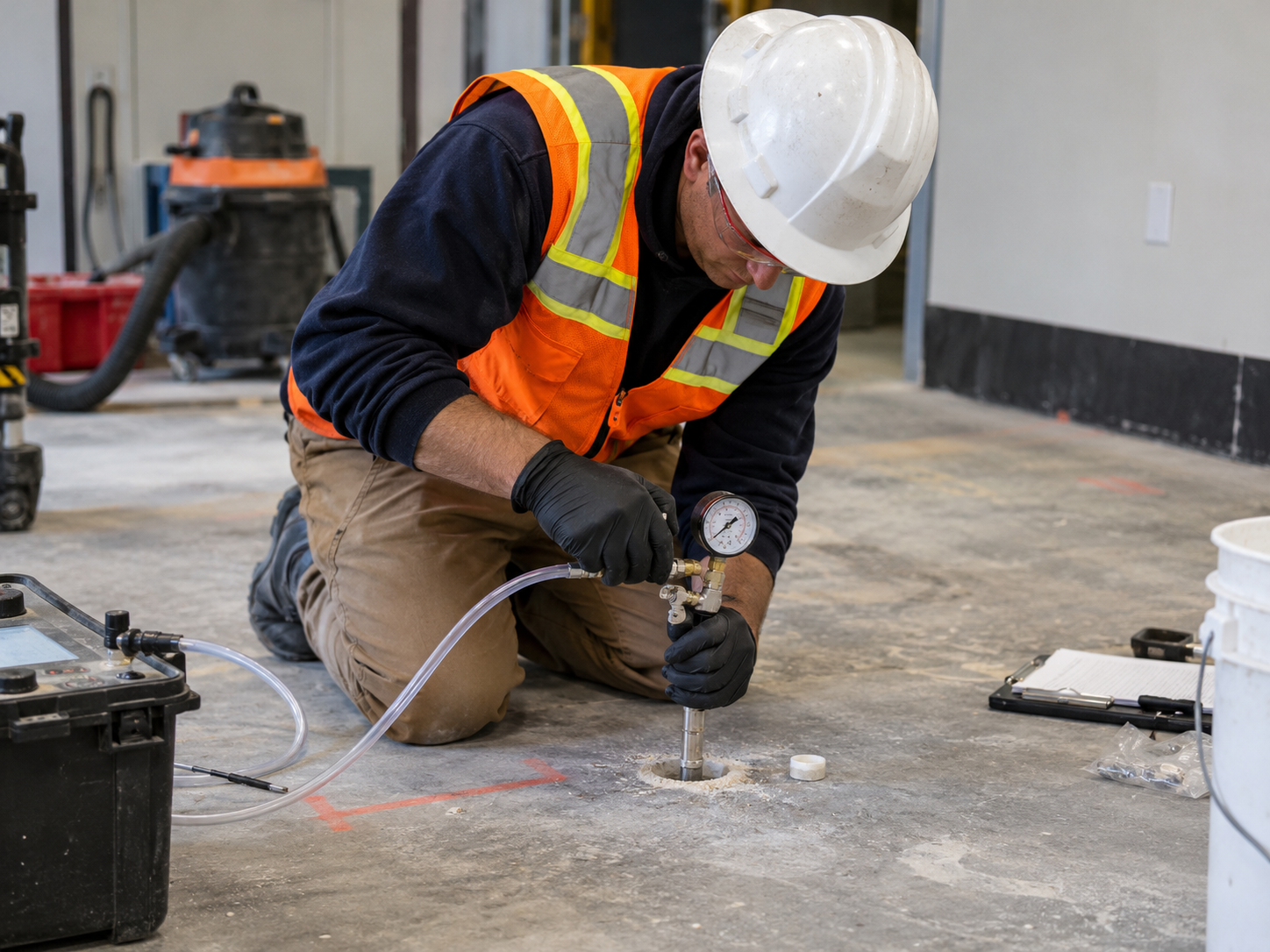
Vapor Intrusion Assessment in NJ: When NJDEP Requires It
Vapor intrusion is the most overlooked exposure pathway in NJ transactions and redevelopment. The conditions that trigger investigation, the three sampling tiers, and how findings shape mitigation and building design.

Response Action Outcomes: What an RAO Means for NJ Site Closure
A Response Action Outcome is the document that closes a NJDEP remediation case. The three RAO classes, the continuing obligations behind two of them, and what each means for financing, resale, and redevelopment.

Phase I ESA vs Phase II ESA: What Triggers the Move in NJ
The escalation from Phase I to Phase II ESA is not automatic. Five findings that almost always trigger a Phase II in New Jersey, plus scoping, cost drivers, and timing.

Recognized Environmental Conditions: RECs, HRECs, and CRECs Explained
The three REC categories in a Phase I ESA carry very different legal and redevelopment consequences. How ASTM E1527-21 defines each and what the classification means for your deal.

How the NJDEP LSRP Program Works Under the SRRA
How New Jersey's LSRP program works under the Site Remediation Reform Act, including where LSRP authority begins, where NJDEP retains oversight, and the path to an RAO.

Environmental Liability Transfer for NJ Property Owners
A liability transfer moves both the property and the remediation obligation to a counterparty built to carry it. How these deals are structured, where NJDEP fits in, and when the tool is the wrong fit.

Brownfield Redevelopment in NJ: Acquisition Through RAO Timeline
A realistic NJ brownfield redevelopment timeline from acquisition through Response Action Outcome, with construction phasing principles tied to NJDEP milestones.

When a Phase I ESA Is Required Before a NJ Commercial Closing
Lenders, transaction attorneys, and CERCLA liability defenses each create different Phase I ESA triggers. Five practical triggers and a 60-day NJ closing timeline.