
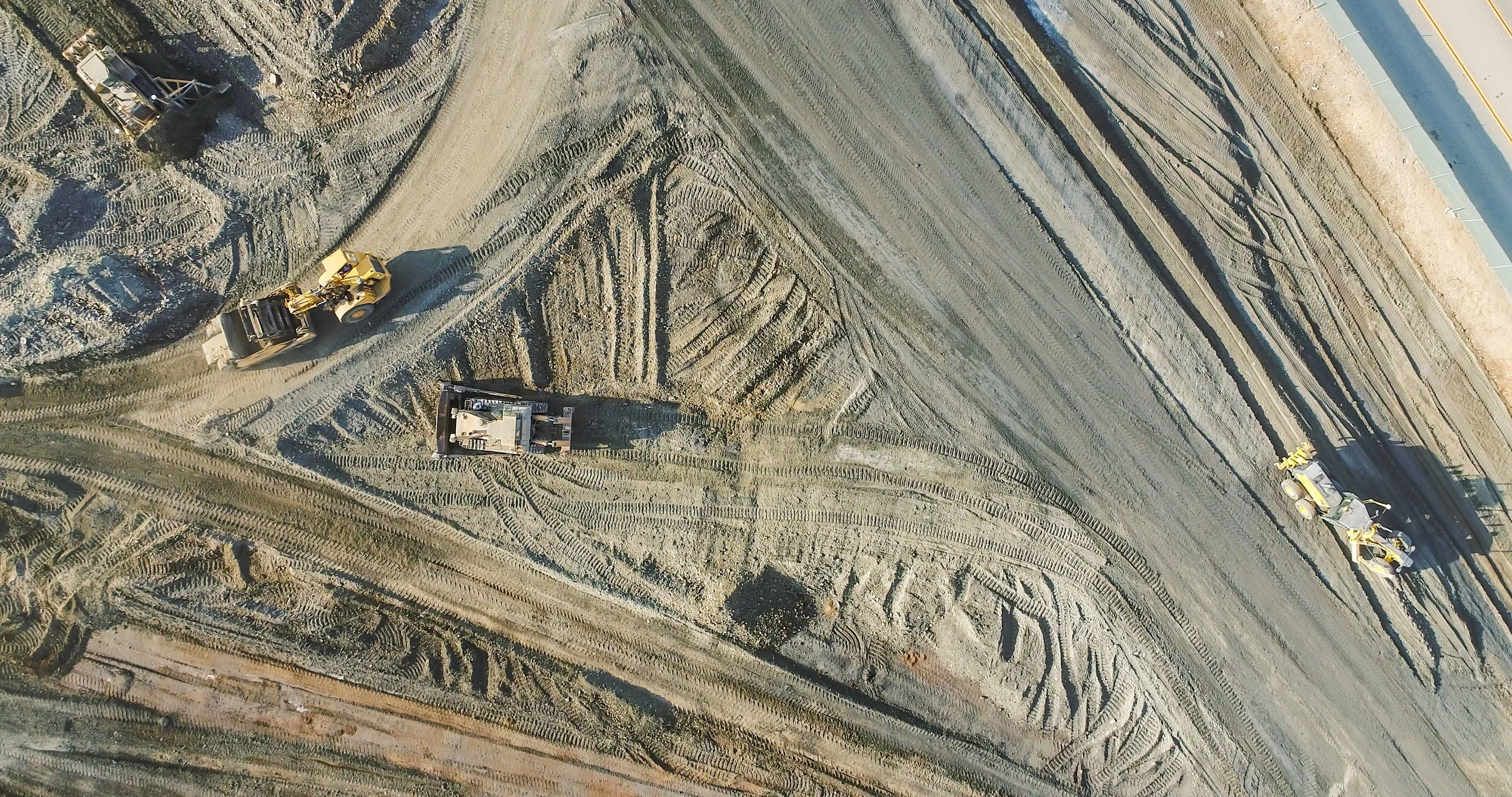
Phase I Environmental Site Assessment in Allentown, PA
Allentown anchors the Lehigh Valley — Pennsylvania's third-largest metro and one of the most active logistics, advanced manufacturing, and warehouse repositioning markets in the Northeast, sitting at the intersection of I-78, the PA Turnpike Northeast Extension, and Route 22 in Lehigh County. Property owners, developers, contractors, municipalities, and counsel working across the Lehigh Valley rely on focused, locally informed environmental due diligence. Resource Renewal supports these projects through RCC's ASTM E1527-21 Phase I Environmental Site Assessment scope, layered with PA DEP Act 2 Land Recycling Program-aligned Phase II investigation, remediation, and brownfield repositioning support — delivered by our Mount Holly HQ team and DSR-affiliated remediation crews mobilized to Allentown, Lehigh County, and the broader Lehigh Valley industrial corridor.
Resource Renewal connects three service tracks under one platform: ASTM E1527-21 Phase I ESAs and NJDEP Preliminary Assessments delivered by RCC; Phase II Site Investigations and Remedial Investigations when Recognized Environmental Conditions are identified; and full remediation and brownfield redevelopment delivered with our affiliated platform DSR. Project teams coordinate with the NJDEP Site Remediation Program and pursue site closure under LSRP oversight toward a Response Action Outcome (RAO).
Why Property Owners and Developers in Lehigh County Choose Resource Renewal
Allentown's environmental landscape reflects more than a century of heavy industrial activity tied to the Lehigh Valley's steel, cement, silk, textile, and rail heritage — anchored historically by Bethlehem Steel just to the east, the cement belt to the west, and a dense network of mills, foundries, and rail yards woven through the urban core. Today, Allentown is at the center of a sustained logistics and warehouse boom, downtown reinvestment through the Neighborhood Improvement Zone (NIZ), and large-scale brownfield repositioning across former industrial parcels. Phase I ESAs in Allentown routinely surface multi-generational fill, historic underground storage tanks, dry cleaner and gas station legacy, metals and solvents from manufacturing operations, and rail corridor exposure — all of which require PA DEP and Act 2 Land Recycling Program pathways.
- ASTM E1527-21 Phase I ESA
- NJDEP Preliminary Assessment overlay
- Phase II Site Investigation
- Soil & groundwater investigation
- LSRP-led NJDEP closure pursuit
- Brownfield redevelopment via DSR
- Active project work in 5 states
- 30+ years of NJ project history
Environmental Context in Allentown and the Lehigh Valley
Industrial and Commercial Heritage
The Lehigh Valley was a foundational engine of the American industrial revolution — anchored by Bethlehem Steel, Lehigh Cement, Mack Trucks (founded and historically headquartered in Allentown), Air Products, Western Electric, and a deep network of silk mills, textile finishers, foundries, and rail and canal infrastructure tied to the Lehigh Canal and the Central Railroad of New Jersey. Generations of steel, cement, manufacturing, and rail operations layered the urban fabric with historic fill, underground storage tanks, solvent and metal residues, and the kinds of legacy conditions that drive Phase I ESA findings today.
Current Environmental Profile
Allentown today is a priority market for PA DEP Act 2 closures, brownfield redevelopment, and Lehigh Valley industrial repositioning. The Lehigh River corridor, the Bethlehem Steel legacy footprint just east in Bethlehem, the cement quarry belt to the west, and the dense former-rail network all shape the regional environmental profile. Soil and groundwater concerns commonly include chlorinated solvents, petroleum hydrocarbons, heavy metals (chromium, lead, arsenic), PCBs at former manufacturing sites, and historic fill. Vapor intrusion screening is routinely required where former industrial parcels are repositioned for residential, mixed-use, or community-facing redevelopment.
Real Estate and Development Market
The Lehigh Valley is one of the fastest-growing logistics and industrial real estate markets in the Northeast, driven by direct I-78 / PA Turnpike Extension / Route 22 access to New York, Philadelphia, and the broader Mid-Atlantic. Allentown specifically combines a robust warehouse and distribution market, downtown Neighborhood Improvement Zone (NIZ) investment, adaptive reuse of former mill and industrial buildings, and large-format infill development. Lenders, attorneys, and developers active in Allentown rely on ASTM E1527-21 Phase I deliverables that hold up under PA DEP Act 2 review.
Local Regulators, Authorities, and Stakeholders
Environmental work in Allentown is coordinated through the Pennsylvania Department of Environmental Protection (PA DEP) Northeast Regional Office in Wilkes-Barre, with closure delivered under the Act 2 Land Recycling and Environmental Remediation Standards Act framework — Statewide Health, Site-Specific, and Background Standards. Key local stakeholders include the City of Allentown Bureau of Planning and Zoning and Allentown Economic Development Corporation (AEDC), the Lehigh Valley Planning Commission (LVPC), the Lehigh Valley Economic Development Corporation (LVEDC), Lehigh County, and the Pennsylvania Industrial Sites Reuse Program. Resource Renewal's Mount Holly HQ team works fluently across the Act 2 framework alongside our NJ practice.
Why This Local Context Matters for Your Project
Allentown is a complex environmental market — Lehigh Valley industrial heritage layered with Bethlehem Steel adjacency, cement and quarry legacy, historic UST inventories, vapor intrusion exposure, sustained warehouse and logistics repositioning pressure, and significant regulatory expectation from PA DEP under the Act 2 framework. Resource Renewal delivers Phase I ESA and follow-on investigation, remediation, and brownfield support that is anchored in PA Act 2 practice, Lehigh Valley experience, and the kind of locally informed judgment that keeps Allentown projects moving on schedule.
Environmental Services Available to Allentown, PA Projects
Service availability spans two connected tracks: Investigation & Compliance, including transactions, financing, and regulatory closure documentation, and Remediation & Redevelopment, including physical cleanup, environmental liability transfer, and conversion of impaired real estate. RCC and DSR jointly cover the full project lifecycle from pre-acquisition due diligence through final regulatory closure and redevelopment.
Phase I Environmental Site Assessment
ASTM E1527-21 site assessment with NJDEP Preliminary Assessment overlay for Mount Holly and Burlington County properties.
Phase II Environmental Site Assessment
Subsurface sampling and certified laboratory analysis when RECs are identified during Phase I.
Site Investigation
Comprehensive site characterization, soil sampling, groundwater investigation, soil vapor assessment.
Environmental Remediation
In-situ and ex-situ soil and groundwater remediation, OM&M, and pursuit of regulatory closure.
Regulatory Compliance
Permitting, audits, hazardous waste management, SPCC plans, NJDEP agency liaison.
Brownfield Redevelopment
Acquisition, remediation, and redevelopment of impaired NJ real estate through DSR.
Environmental Liability Transfer
DSR-led liability transfer for owners seeking to exit impaired sites.
Landfill Closure
Closure, post-closure care, and EPA LMOP-aligned beneficial reuse options through DSR's TB2G™ model.
How Resource Renewal Serves Allentown, PA
Investigation & Compliance (RCC Track)
The ASTM E1527-21 Phase I ESA scope covers site reconnaissance, historical land use review, regulatory database searches, agency file reviews, and key personnel interviews. RCC layers the federal ASTM scope with PA DEP Act 2-aligned documentation so projects in Pennsylvania carry both federal CERCLA innocent purchaser protections and a credible pathway to Act 2 closure under the Statewide Health, Site-Specific, or Background Standards. When Recognized Environmental Conditions or Areas of Concern are identified, RCC moves directly into Phase II Site Investigation and, where warranted, Remedial Investigation — coordinating sampling plans, certified laboratory analysis, and data evaluation aligned with PA DEP Land Recycling Program Technical Guidance. Documentation is built for PA DEP Northeast Regional Office review.
Remediation & Redevelopment (DSR-Affiliated Track)
Remediation capabilities include in-situ chemical oxidation, bioremediation, soil vapor extraction, ex-situ excavation and disposal, groundwater pump-and-treat systems, permeable reactive barriers, sub-slab depressurization, and long-term operations, maintenance, and monitoring (OM&M). For owners exiting impaired property, the DSR platform provides brownfield acquisition, environmental liability transfer, and full redevelopment, applied across more than 100 brownfield sites in NJ, NY, PA, MA, and OH. The Mount Holly HQ at the Resource Renewal Business Park is itself a representative example of a former brownfield converted into productive operating real estate — a model directly applicable to Allentown Act 2 closures.
Frequently Asked Questions
-
Mount Holly is Resource Renewal's headquarters city. The Resource Renewal Business Park at 10 Lippincott Lane is a completed brownfield redevelopment project and the home base for RCC and DSR field crews working across Burlington County. Surrounding municipalities served from this HQ include Burlington, Westampton, Lumberton, Eastampton, Hainesport, Pemberton, Cinnaminson, Maple Shade, Moorestown, Cherry Hill, Marlton, and Medford.
-
A Phase I Environmental Site Assessment is a documented review of a property's current and historical use, performed under ASTM E1527-21, that identifies Recognized Environmental Conditions and Areas of Concern. Typical triggers include commercial real estate transactions, lender requirements, attorney due diligence, pre-redevelopment review, and refinancing. RCC pairs the ASTM Phase I ESA with an NJDEP-compliant Preliminary Assessment to provide combined federal CERCLA and NJ ISRA innocent purchaser protections. In Mount Holly and Burlington County, the property types most likely to trigger Phase I work are industrial, automotive, agricultural, fuel storage, and dry cleaning sites.
-
A typical Phase I ESA runs two to three weeks from authorization to draft delivery, depending on environmental database turnaround, depth of historical research, agency file review timing, and site access. RCC can accelerate timelines for time-sensitive transactions when scope and access permit. Layered NJDEP Preliminary Assessment work is coordinated within the same engagement. Under ASTM E1527-21, a Phase I ESA is valid for 180 days, with extensions of up to one year possible if specific components are refreshed.
-
When Recognized Environmental Conditions are identified, the natural next step is a Phase II Site Investigation: a defined sampling plan, certified laboratory analysis, and data evaluation against NJDEP standards. If contamination is confirmed, RCC develops a Remedial Investigation and a Remedial Action Workplan, pursuing a Response Action Outcome under LSRP oversight. For owners who prefer to exit the property rather than carry it through closure, DSR brownfield acquisition and environmental liability transfer are available as an alternative path.
-
DSR is Resource Renewal's brownfield redevelopment company, with experience across more than 100 brownfield sites in NJ, NY, PA, MA, and OH. DSR services include site evaluation, environmental liability transfer, and full redevelopment. DSR is a member of the EPA Landfill Methane Outreach Program and the Brownfield Coalition of the Northeast, and applies its Turn Brown to Green™ (TB2G™) model for landfill closure and beneficial reuse. EPA Brownfields Program grants and incentives may apply to qualifying Mount Holly and Burlington County sites.
-
Under the NJ Site Remediation Reform Act of 2009, contaminated sites are remediated under Licensed Site Remediation Professional oversight rather than direct NJDEP case management. The LSRP defines the technical approach, files key submissions, and issues a Response Action Outcome when site conditions meet applicable remediation standards. Typical sequencing is Preliminary Assessment, Site Investigation, Remedial Investigation, Remedial Action, and final RAO issuance. The RAO confirms regulatory closure and supports transactions, financing, and redevelopment.
-
Burlington County is New Jersey's largest county by land area and one of the most active warehouse and distribution development markets in the Northeast. The I-295 / NJ Turnpike Exit 5 / Route 38 corridor and proximity to the Port of Philadelphia have driven sustained conversion of agricultural and former industrial parcels into large-format warehouse, fulfillment, and last-mile distribution facilities. Each of those transactions typically triggers a Phase I ESA from lenders or institutional buyers. Volume has been particularly visible in Mount Holly, Westampton, Burlington Township, Florence, and Mansfield.
-
The Resource Renewal Business Park at 10 Lippincott Lane is itself a brownfield redevelopment project that moved through the same investigation, remediation, regulatory closure, and reuse process RCC and DSR deliver for clients. It is a working demonstration that contaminated parcels can move from environmental liability to productive operating real estate when investigation, remediation, regulatory strategy, and redevelopment are executed by an integrated team. Prospective clients are welcome to walk the site as part of project scoping.
Visit Our Mount Holly, NJ HQ or Find Us Near You
The Resource Renewal Business Park
10 Lippincott Lane, Unit 1
Mount Holly, NJ 08060
For ASTM E1527-21 Phase I ESA, Phase II Site Investigation, remediation, regulatory compliance, or brownfield redevelopment support on an Allentown, PA project, contact Resource Renewal directly. Project work in Pennsylvania is delivered under the PA DEP Act 2 Land Recycling Program framework, with field crews mobilizing from our Mount Holly HQ. Call (856) 273-1009 or request a project consultation.