
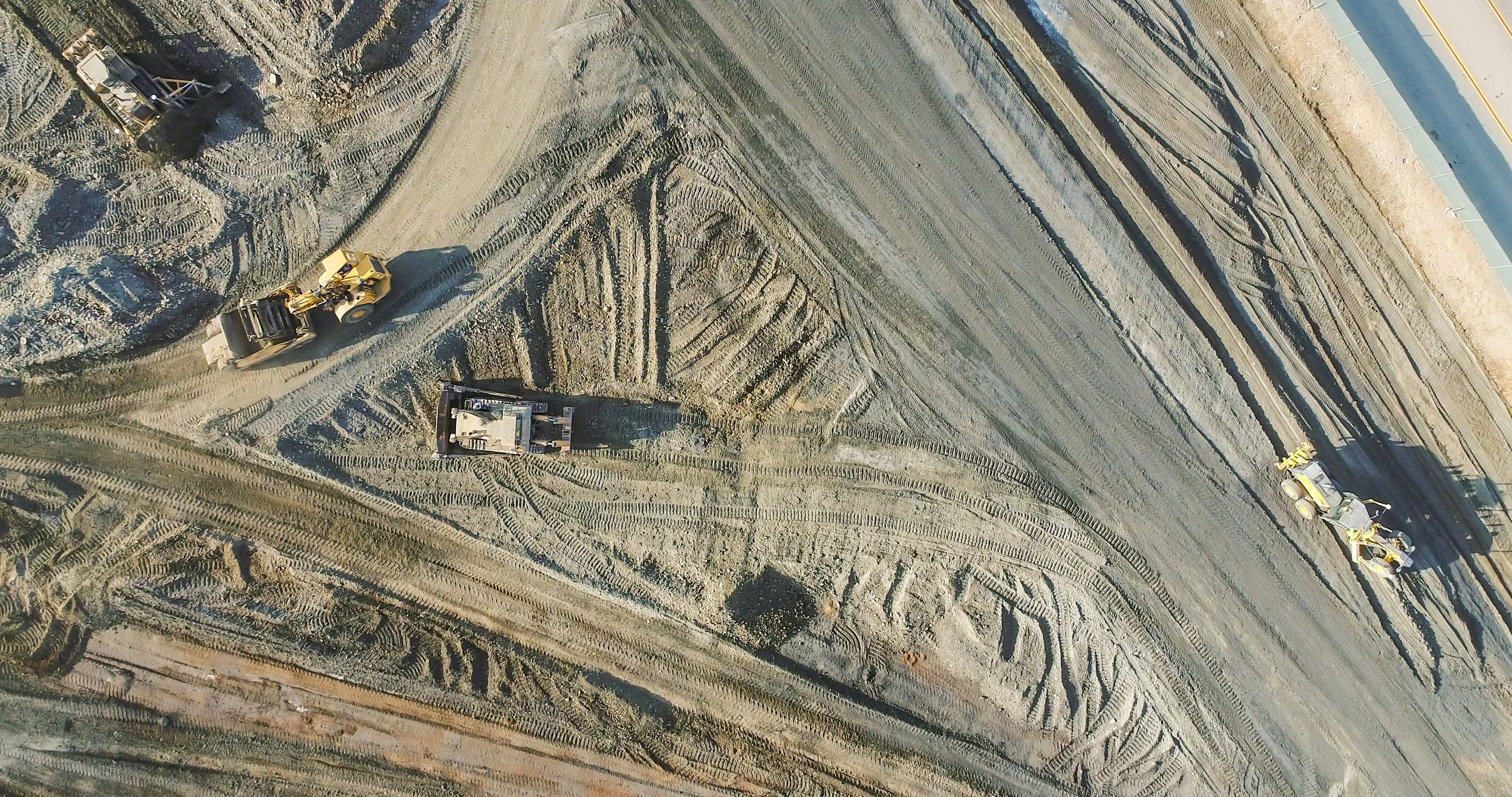
Phase I Environmental Site Assessment in Chelsea, MA
Chelsea sits within Suffolk County's established industrial, commercial, institutional, waterfront, and redevelopment markets, with strong regional access to U.S. Route 1, Route 1A, the Tobin Bridge, the Chelsea Creek waterfront, and the broader Greater Boston metropolitan area. Property owners, developers, contractors, municipalities, lenders, and counsel working across Chelsea, Suffolk County, and surrounding Greater Boston communities rely on focused, locally informed environmental due diligence. Resource Renewal supports these projects through RCC's ASTM E1527-21 Phase I Environmental Site Assessment scope, complemented by MassDEP-compliant site investigations and Massachusetts Contingency Plan (310 CMR 40.0000) requirements when applicable to address both federal and Massachusetts environmental due diligence obligations.
Resource Renewal connects three service tracks under one platform: ASTM E1527-21 Phase I ESAs and NJDEP Preliminary Assessments delivered by RCC; Phase II Site Investigations and Remedial Investigations when Recognized Environmental Conditions or Areas of Concern warrant further evaluation; and full remediation and brownfield redevelopment delivered with affiliated platform DSR. Project teams can coordinate with the NJDEP Site Remediation Program and pursue site closure under Licensed Site Remediation Professional oversight toward a Response Action Outcome where applicable.
Why Property Owners and Developers in Suffolk County Choose Resource Renewal
Resource Renewal brings proven brownfield redevelopment experience to Chelsea, applying the same methodology RCC and DSR use across client sites throughout Suffolk County and Greater Boston, Massachusetts. Our work supports property owners, developers, and project teams navigating environmental due diligence, site investigation, remediation, and redevelopment from initial assessment through regulatory closure under applicable MassDEP requirements.
- ASTM E1527-21 Phase I Environmental Site Assessment in Chelsea, MA
- MassDEP environmental due diligence & Massachusetts Contingency Plan support for Suffolk County properties
- Phase II Site Investigation for RECs & potential contamination
- Soil, groundwater & soil vapor investigation
- MassDEP remediation & regulatory closure support, including LSP coordination when required
- Brownfield remediation & redevelopment via DSR
- Commercial & industrial due diligence across Chelsea & Suffolk County
- 30+ years of environmental consulting & remediation experience
Industrial and Commercial Heritage
Chelsea's environmental and development history reflects its transition from a major industrial, maritime, and transportation center into a diversified commercial, institutional, and redevelopment market in Greater Boston, Massachusetts. The city's industrial identity is closely tied to waterfront shipping, petroleum storage and distribution, manufacturing, warehousing, and port-related operations. Historic industrial activity developed along Chelsea Creek, the Mystic River, Marginal Street, Eastern Avenue, and surrounding transportation corridors. Today, U.S. Route 1, Route 1A, the Tobin Bridge, and ongoing waterfront and urban revitalization initiatives continue to support commercial investment, adaptive reuse, and mixed-use redevelopment.
Current Environmental Profile
Chelsea contains a mix of active commercial and industrial properties, institutional facilities, waterfront industrial parcels, former manufacturing sites, petroleum storage facilities, and properties with documented environmental remediation histories. The Massachusetts Department of Environmental Protection (MassDEP) maintains records of reported releases of oil and hazardous materials, contaminated sites, underground storage tanks, Activity and Use Limitations (AULs), and properties undergoing assessment or cleanup under the Massachusetts Contingency Plan (MCP), 310 CMR 40.0000.
Historically developed properties, including former manufacturing facilities, petroleum distribution sites, warehouses, and industrial parcels along Chelsea Creek and the Mystic River, demonstrate the importance of evaluating previous industrial operations. Potential environmental concerns may include petroleum releases, industrial solvents, heavy metals, contaminated fill, underground storage tanks, and soil or groundwater impacts. Environmental conditions vary by property and require site-specific assessment.
Real Estate and Development Market
Chelsea is one of Greater Boston's established industrial, commercial, waterfront, and redevelopment markets, supported by its proximity to downtown Boston, Logan International Airport, U.S. Route 1, Route 1A, the Tobin Bridge, and regional transportation networks. Urban revitalization has encouraged investment in residential development, retail establishments, commercial facilities, offices, institutional properties, and mixed-use redevelopment.
Redevelopment and adaptive reuse opportunities throughout Chelsea continue to attract property owners, investors, and developers. Commercial and industrial corridors along Broadway, Everett Avenue, Marginal Street, Eastern Avenue, and Chelsea Creek offer opportunities for property repositioning, commercial investment, and redevelopment. Environmental due diligence is particularly important where former manufacturing operations, petroleum storage, historic industrial fill, or previous remediation may affect property acquisition, financing, demolition, or construction.
Local Regulators, Authorities, and Stakeholders
Environmental projects in Chelsea may involve city officials, Suffolk County agencies, the Massachusetts Department of Environmental Protection (MassDEP), and federal regulators. Massachusetts General Laws Chapter 21E and the Massachusetts Contingency Plan (MCP), 310 CMR 40.0000, provide the regulatory framework for investigating and remediating sites affected by releases of oil or hazardous materials. Licensed Site Professionals (LSPs) oversee applicable response actions and prepare regulatory documentation supporting cleanup and site closure.
MassDEP oversees environmental cleanup requirements, petroleum and hazardous material release reporting, site assessment, remedial planning, and regulatory compliance. Local redevelopment approvals may involve Chelsea's Planning Board, zoning officials, Inspectional Services Department, and Housing and Community Development Department. Waterfront projects may also require coordination with state coastal permitting authorities, the Massachusetts Environmental Policy Act (MEPA) process, and designated port area requirements when applicable. Regional development organizations and other stakeholders may be involved depending on the property's location and proposed use.
Why This Local Context Matters for Your Project
Chelsea's combination of historic manufacturing, petroleum storage and distribution, maritime industrial operations, transportation corridors, institutional properties, Chelsea Creek waterfront redevelopment, and previously developed land can create different environmental risks from property to property.
A Phase I Environmental Site Assessment evaluates historical industrial and commercial uses, underground and aboveground storage tanks, Recognized Environmental Conditions, petroleum releases, prior remediation, and potential soil or groundwater contamination. Understanding a Chelsea property's environmental history helps buyers, lenders, and developers determine whether Phase II Site Investigation, additional site characterization, remediation, MassDEP notification, or Licensed Site Professional coordination under the Massachusetts Contingency Plan may be appropriate before acquisition, financing, construction, or redevelopment.
Environmental Context in Chelsea and Suffolk County
Environmental Services Available to Chelsea, MA Projects
Service availability in Chelsea and throughout Suffolk County spans two connected tracks: Investigation & Compliance, including transactions, financing, Phase I and Phase II environmental due diligence, and MassDEP regulatory closure documentation, and Remediation & Redevelopment, including physical cleanup, environmental liability transfer, and conversion of impaired real estate. RCC and DSR jointly support the full project lifecycle, from pre-acquisition due diligence in Chelsea through final regulatory closure under applicable Massachusetts environmental requirements, including M.G.L. Chapter 21E and the Massachusetts Contingency Plan (310 CMR 40.0000), with Licensed Site Professional (LSP) coordination when required, and redevelopment.
Phase I Environmental Site Assessment
ASTM E1527-21 Phase I ESA with Massachusetts environmental due diligence, MassDEP regulatory review, and Massachusetts Contingency Plan assessment support when applicable for commercial, industrial, retail, mixed-use, institutional, waterfront, and redevelopment properties in Chelsea and throughout Suffolk County.
Phase II Environmental Site Investigation
Targeted soil, groundwater, and soil vapor investigation with certified laboratory analysis when Recognized Environmental Conditions (RECs) or other potential contamination concerns identified during due diligence warrant further evaluation. Investigations may include Licensed Site Professional (LSP) coordination when required under Massachusetts environmental regulations.
Site Investigation
Site characterization, soil sampling, groundwater investigation, and vapor assessment for Chelsea properties with suspected or confirmed petroleum releases, historical manufacturing, maritime and waterfront industrial operations, petroleum storage and distribution facilities, contaminated fill, underground storage tanks, or other environmental concerns.
Environmental Remediation
In-situ and ex-situ soil and groundwater remediation, vapor mitigation, OM&M, remedial investigation, and pursuit of regulatory closure under applicable MassDEP requirements, including Massachusetts General Laws Chapter 21E and the Massachusetts Contingency Plan (310 CMR 40.0000), with Licensed Site Professional oversight when required.
Regulatory Compliance
Environmental permitting, compliance audits, hazardous waste management, SPCC planning, petroleum and hazardous material release response coordination, and MassDEP regulatory compliance for commercial, industrial, institutional, maritime, waterfront, and redevelopment projects throughout Chelsea and Suffolk County.
Brownfield Redevelopment
Acquisition, remediation, entitlement, redevelopment planning, and repositioning of environmentally impaired commercial, industrial, waterfront, and mixed-use properties along Broadway, Everett Avenue, Marginal Street, Eastern Avenue, Chelsea Creek, and other established Chelsea commercial and industrial corridors through DSR.
Environmental Liability Transfer
DSR-led transaction structures that address environmental obligations and create a defined path toward cleanup, MassDEP regulatory closure, beneficial reuse, and redevelopment under applicable Massachusetts environmental requirements, including M.G.L. Chapter 21E and the Massachusetts Contingency Plan, with LSP coordination when required.
Brownfield Cleanup & Property Reuse
Remediation, long-term stewardship, redevelopment planning, and beneficial reuse strategies for environmentally challenged former manufacturing facilities, petroleum storage and distribution sites, maritime and waterfront industrial properties, warehouses, commercial sites, institutional facilities, and mixed-use redevelopment properties throughout Chelsea and Suffolk County through DSR's TB2G™ model.
How Resource Renewal Serves Chelsea, MA
Investigation & Compliance (RCC Track)
The ASTM E1527-21 Phase I ESA scope covers site reconnaissance, historical land-use review, regulatory database searches, agency file review, and key personnel interviews. For Chelsea and Suffolk County properties, RCC can pair the federal ASTM scope with additional Massachusetts environmental assessments and site investigations to address MassDEP requirements and Massachusetts Contingency Plan (MCP) considerations when applicable. When Recognized Environmental Conditions or other potential environmental concerns are identified, RCC can proceed into Phase II Site Investigation and, where warranted, additional site characterization and remedial investigation, coordinating soil, groundwater, and vapor sampling, certified laboratory analysis, and data evaluation under applicable Massachusetts environmental regulations. Documentation is structured to support MassDEP review, Licensed Site Professional (LSP) oversight when required, property transactions, financing, remediation requirements under M.G.L. Chapter 21E and 310 CMR 40.0000, and regulatory closure.
Remediation & Redevelopment (DSR-Affiliated Track)
Remediation capabilities include in-situ chemical oxidation, bioremediation, soil vapor extraction, ex-situ excavation and disposal, groundwater pump-and-treat systems, permeable reactive barriers, sub-slab depressurization, and long-term operations, maintenance, and monitoring (OM&M). For owners, investors, and developers working with environmentally impaired property in Chelsea, the DSR platform can support brownfield acquisition, environmental liability transfer, remediation, and redevelopment planning. This can be particularly relevant for former manufacturing facilities, petroleum storage and distribution sites, maritime and waterfront industrial properties, warehouses, transportation-related parcels, commercial and retail buildings, institutional and mixed-use redevelopment properties, and sites along Broadway, Everett Avenue, Marginal Street, Eastern Avenue, Chelsea Creek, and other established Chelsea corridors, where environmental due diligence and redevelopment strategy may need to be coordinated from acquisition through remediation, MassDEP regulatory closure under the Massachusetts Contingency Plan, and final reuse.
Frequently Asked Questions
-
Yes. Resource Renewal supports environmental due diligence, site investigation, remediation, regulatory compliance, and brownfield redevelopment projects in Chelsea and throughout Suffolk County. RCC provides investigation and compliance services, while affiliated platform DSR supports remediation, environmental liability transfer, and redevelopment under applicable Massachusetts environmental regulations, including M.G.L. Chapter 21E and the Massachusetts Contingency Plan (MCP).
-
A Phase I Environmental Site Assessment evaluates a property's historical uses, regulatory records, and current conditions to identify potential environmental liabilities. In Chelsea, a Phase I ESA is commonly conducted during commercial real estate transactions, financing, acquisitions, and redevelopment. RCC follows ASTM E1527-21 standards and can coordinate additional environmental investigations and MassDEP regulatory assessments when state requirements apply. A Phase I ESA is not automatically required for every property transaction, but may be necessary to satisfy lender requirements, support federal All Appropriate Inquiries, or evaluate environmental risks before redevelopment.
-
Most Phase I Environmental Site Assessments are completed within 10 to 20 business days, depending on property access, historical records, regulatory documentation, and project complexity. RCC coordinates due diligence schedules with property owners, lenders, developers, and transaction teams to support timely decisions. Properties with complex industrial histories or documented environmental concerns may require additional investigation.
-
If Recognized Environmental Conditions (RECs) are identified, RCC may recommend additional investigation to determine whether contamination is present. This can involve a Phase II Site Investigation, including soil, groundwater, or soil vapor sampling. Depending on the findings, further site characterization, remediation planning, or MassDEP regulatory coordination may be necessary. If a reportable release of oil or hazardous materials is identified, Massachusetts regulations may require notification and response actions under the Massachusetts Contingency Plan (310 CMR 40.0000), with oversight by a Licensed Site Professional (LSP) when required.
-
Yes. Resource Renewal works with affiliated platform DSR to support brownfield remediation, environmental liability transfer, and redevelopment planning in Chelsea and throughout Suffolk County. Services may include environmental investigation, cleanup planning, remediation, regulatory closure, and repositioning environmentally impaired former manufacturing facilities, petroleum storage and distribution properties, Chelsea Creek waterfront industrial sites, warehouses, commercial buildings, institutional facilities, and mixed-use properties for beneficial reuse.
-
Massachusetts regulates the investigation and cleanup of contaminated properties through the Massachusetts Department of Environmental Protection (MassDEP), Massachusetts General Laws Chapter 21E, and the Massachusetts Contingency Plan (MCP), 310 CMR 40.0000. For Chelsea properties with reportable releases of oil or hazardous materials, the process may include MassDEP notification, initial site assessment, comprehensive site investigation, risk characterization, development of a remedial action plan, cleanup implementation, and submission of required regulatory documentation. A Massachusetts Licensed Site Professional (LSP) oversees applicable response actions and prepares or reviews required regulatory submittals. When cleanup objectives and regulatory requirements are satisfied, a Permanent Solution Statement may be submitted, subject to any necessary Activity and Use Limitations (AULs), engineering controls, monitoring, or other continuing obligations.
-
Chelsea has an established history of manufacturing, maritime shipping, petroleum storage and distribution, warehousing, railroad transportation, and industrial activity. Properties along Broadway, Marginal Street, Eastern Avenue, Chelsea Creek, the Mystic River waterfront, and other commercial and industrial corridors may have historical uses that warrant environmental review. Chelsea Creek's petroleum terminals, former industrial properties, and historic waterfront facilities illustrate the importance of evaluating previously developed industrial land. Commercial revitalization, adaptive reuse of former manufacturing buildings, and waterfront redevelopment also highlight the need for environmental due diligence before acquisition or construction. A Phase I ESA helps buyers, lenders, and developers identify potential environmental liabilities before acquisition, financing, demolition, construction, or redevelopment.
-
Resource Renewal's Mount Holly, New Jersey headquarters provides a centralized base for coordinating environmental consulting, investigation, compliance, and remediation planning across its service areas, including Massachusetts. Through RCC and affiliated platform DSR, the company supports projects from initial environmental due diligence through investigation, remediation, regulatory closure, and redevelopment. This integrated approach is relevant to Chelsea property owners and developers managing complex former manufacturing facilities, petroleum storage and distribution sites, Chelsea Creek waterfront industrial properties, warehouses, commercial buildings, institutional facilities, and mixed-use redevelopment projects under Massachusetts environmental regulations.
Visit Our Mount Holly, NJ HQ or Find Us Near You
The Resource Renewal Business Park
10 Lippincott Lane, Unit 1
Mount Holly, NJ 08060
Contact Resource Renewal for Project Support
For ASTM E1527-21 Phase I ESA, Phase II Site Investigation, remediation, regulatory compliance, or brownfield redevelopment support on a Chelsea, MA project, contact Resource Renewal directly. Project work in Massachusetts is delivered in coordination with applicable MassDEP requirements, with field crews mobilizing from our Mount Holly HQ. Call (856) 273-1009 or request a project consultation.