
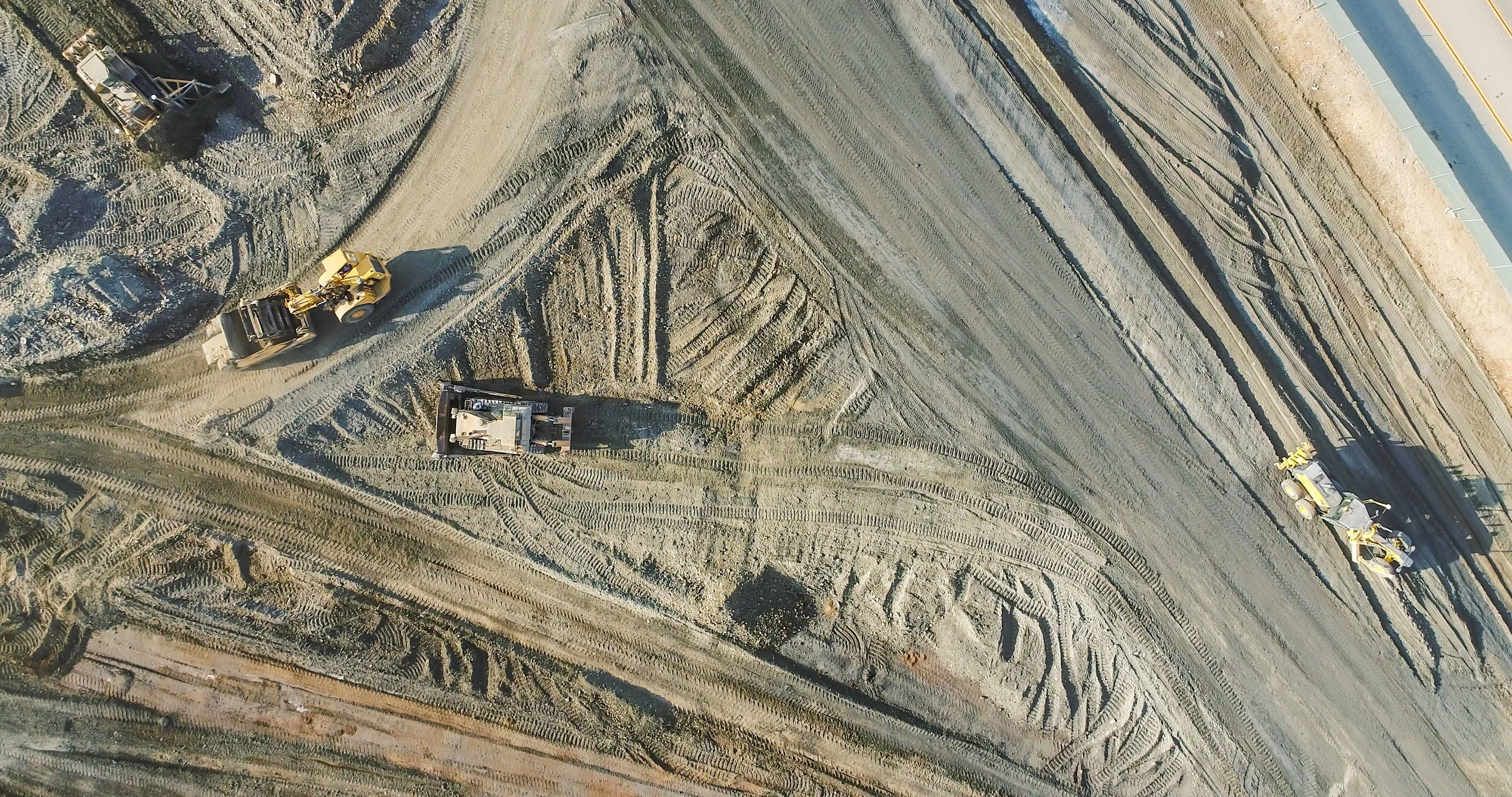
Phase I Environmental Site Assessment in Scranton, PA
Scranton’s history as a major industrial, manufacturing, railroad, and anthracite coal center makes site history an important part of real estate due diligence. Former industrial properties, manufacturing sites, mills, and mine-impacted land can have very different environmental histories, so buyers, developers, and property owners may need to assess site conditions before a purchase or redevelopment project. Resource Renewal supports Scranton projects through RCC’s ASTM E1527-21 Phase I Environmental Site Assessments and additional environmental due diligence services when appropriate.
Resource Renewal brings three service tracks together: Phase I ESAs and environmental assessments through RCC; Phase II Site Investigations and additional site characterization when findings warrant further study; and remediation and brownfield redevelopment through its affiliated company, DSR. Where applicable, project teams coordinate with the Pennsylvania Department of Environmental Protection (PA DEP) and work within Pennsylvania’s Land Recycling Program, commonly known as Act 2, toward applicable environmental cleanup standards and regulatory closure.
Why Property Owners and Developers in Scranton, PA Choose Resource Renewal
Resource Renewal’s headquarters at 10 Lippincott Lane sits within the Resource Renewal Business Park, a completed brownfield redevelopment project. It offers a working example of the approach RCC and DSR can bring to client sites in Scranton, Lackawanna County, and northeastern Pennsylvania.
- ASTM E1527-21 Phase I ESAs for Scranton properties
- Historical property use and PA DEP records review
- Phase II Environmental Site Assessments when warranted
- Soil and groundwater investigation
- Vapor intrusion evaluation when applicable
- PA DEP Act 2 site characterization and remediation support
- Act 2 cleanup standards and regulatory closure support
- Brownfield redevelopment support through DSR
Environmental Context in Scranton and Lackawanna County
Industrial and Commercial Heritage
Scranton’s property history reflects its development as a major anthracite coal, iron, railroad, textile, and manufacturing center. The City of Scranton notes that the community grew around industries that included coal mining, iron production, railroads, and textile mills, while the National Park Service documents the city’s extensive railroad yards and related industrial activity. For a Phase I Environmental Site Assessment (ESA), however, the relevant history is the history of the specific parcel and its surrounding properties, not a citywide assumption that former industrial activity resulted in contamination. City of Scranton National Park Service
Current Environmental Profile
Scranton and Lackawanna County continue to address properties affected by the region’s industrial and mining legacy. EPA selected Lackawanna County for a $500,000 Brownfields Assessment Grant focused partly on Scranton, with funding intended for property inventories, Phase I and Phase II environmental site assessments, cleanup planning, and community engagement. EPA identified priority properties in the county that include a former silk mill, former lumber mill, vacant cabinet manufacturing site, and mine-scarred land. These examples demonstrate the types of environmental conditions that can occur in the region, but they do not establish contamination on any individual Scranton property without a site-specific assessment. EPA Brownfields Grant
Real Estate and Development Market
Scranton continues to support redevelopment, land development, and reuse of underutilized properties through its planning and redevelopment programs. The City’s Planning and Zoning Bureau reviews land use, zoning, subdivision, and development proposals, while the Scranton Redevelopment Authority is charged with supporting the redevelopment of blighted areas. Environmental conditions, legacy industrial uses, mine-related conditions, stormwater requirements, and floodplain constraints can affect acquisition, financing, site design, and redevelopment costs. Those considerations should be evaluated at the parcel level before a project team determines whether additional investigation or remediation is warranted. Scranton Planning and Zoning Scranton Redevelopment Authority
Local Regulators, Authorities, and Stakeholders
The agencies involved depend on the property and proposed scope of work. The Pennsylvania Department of Environmental Protection (PA DEP) oversees environmental cleanup through Pennsylvania’s Land Recycling Program, commonly known as Act 2. Act 2 establishes background, statewide health, and site-specific cleanup standards under Pennsylvania’s environmental remediation framework. Development proposals may also require review by the City of Scranton’s Planning and Zoning Bureau or Planning Commission. Projects involving floodplains, stormwater, waterways, wetlands, or other regulated resources may require additional municipal, state, or federal approvals depending on site conditions and the proposed work. PA DEP Act 2 Regulations Scranton Floodplain Management
Why This Local Context Matters for Your Project
A Scranton Phase I ESA should connect historical maps, directories, aerial photographs, and past property uses with current regulatory records, nearby properties, and observations from the site visit. Former industrial operations, petroleum storage, manufacturing activity, historic fill, mine-related conditions, recognized environmental cases, or nearby releases may warrant closer review, but their significance must be evaluated for the individual parcel. RCC can use those findings to help a buyer, lender, property owner, or developer determine whether targeted Phase II environmental sampling, additional site characterization, or remediation planning under Pennsylvania’s Act 2 framework may be appropriate.
Environmental Services Available to Scranton, PA Projects
For Scranton properties, Resource Renewal offers two connected service tracks. Investigation & Compliance covers environmental due diligence for transactions and financing, site investigation, and regulatory closure support under applicable Pennsylvania requirements. Remediation & Redevelopment covers physical cleanup, environmental liability transfer where appropriate, and the reuse of impaired real estate. Together, RCC and DSR can support a project from pre-acquisition assessment through investigation, remediation, PA DEP coordination, regulatory closure, and redevelopment.
Phase I Environmental Site Assessment
ASTM E1527-21 environmental due diligence for Scranton and Lackawanna County properties, including historical use, regulatory records, and site condition review.
Phase II Environmental Site Assessment
Targeted soil, groundwater, or vapor sampling when Phase I findings identify recognized environmental conditions that warrant further investigation.
Site Investigation
Site characterization, soil and groundwater investigation, vapor assessment, and delineation of documented environmental conditions.
Environmental Remediation
Remedial planning, soil and groundwater cleanup, monitoring, and demonstration of attainment based on site conditions and applicable Pennsylvania requirements.
Regulatory Compliance
PA DEP coordination, Act 2 support, environmental permitting, compliance reviews, and regulatory documentation for applicable Scranton projects.
Brownfield Redevelopment
Environmental evaluation, cleanup planning, and redevelopment support for impaired or underutilized Scranton and Lackawanna County properties.
Environmental Liability Transfer
DSR transaction structures that may address environmental obligations as part of an eligible property acquisition, remediation, or redevelopment strategy.
Landfill Closure
Closure planning, post-closure care, environmental monitoring, and evaluation of appropriate reuse opportunities through DSR.
How Resource Renewal Serves Scranton, PA
Investigation & Compliance (RCC Track)
For Scranton property transactions and redevelopment projects, RCC’s ASTM E1527-21 Phase I Environmental Site Assessment reviews historical property use, regulatory records, agency files, site conditions, and information from people familiar with the property. A properly completed Phase I ESA can help satisfy the federal All Appropriate Inquiries requirement, but completing an assessment alone does not guarantee purchaser liability protection. Eligibility depends on the transaction, the purchaser’s qualifications, and applicable continuing obligations.
If the assessment identifies a Recognized Environmental Condition that warrants testing, RCC can develop a targeted Phase II Environmental Site Assessment involving soil, groundwater, soil gas, or vapor sampling as appropriate. Confirmed impacts may lead to broader site characterization and a property-specific remediation strategy. Where a project proceeds through Pennsylvania’s voluntary cleanup program, investigation and remediation may follow the Pennsylvania Department of Environmental Protection’s Land Recycling Program, commonly known as Act 2, and the environmental remediation standards established under 25 Pa. Code Chapter 250. Scranton’s history of industrial, manufacturing, railroad, and mining activity makes parcel-specific research useful, without assuming that a particular property is contaminated.
Remediation & Redevelopment (DSR-Affiliated Track)
Depending on the contaminants, exposure pathways, cleanup standard, and site conditions, remediation options can include in-situ treatment, excavation and off-site disposal, groundwater treatment, vapor mitigation, engineering controls, and long-term monitoring and maintenance. Pennsylvania’s Act 2 program provides background, statewide health, and site-specific cleanup standards, with the appropriate approach determined by the property conditions, proposed use, and remediation objectives.
For owners considering the sale, acquisition, or reuse of an impaired Scranton property, DSR offers brownfield acquisition, environmental liability transfer structures where appropriate, remediation planning, and redevelopment support. Act 2 can provide statutory liability relief when applicable cleanup requirements are successfully satisfied, but the availability and scope of that protection depend on the specific site and transaction.
DSR states that its experience spans more than 100 brownfield sites across New Jersey, New York, Pennsylvania, Massachusetts, and Ohio. Resource Renewal’s headquarters at the Resource Renewal Business Park in Mount Holly provides an example of completed brownfield reuse. That example reflects company experience rather than a Scranton project.
Frequently Asked Questions
-
Yes. Resource Renewal supports environmental assessment, investigation, remediation, and redevelopment projects in Scranton and Lackawanna County through RCC and its affiliated company, DSR. Both operate from Resource Renewal’s headquarters at 10 Lippincott Lane in Mount Holly, NJ. Contact the team to discuss project availability, property conditions, and scope.
-
A Phase I ESA reviews a property’s current and historical uses, nearby properties, regulatory records, and site conditions to identify Recognized Environmental Conditions (RECs). Buyers commonly order one before acquiring commercial or industrial property, and lenders may request one as part of financing. A properly completed Phase I ESA can also help a purchaser satisfy federal All Appropriate Inquiries requirements. Whether an assessment is necessary depends on the transaction, property history, and financing requirements.
-
The timeline depends on the property, availability of historical and regulatory records, and transaction schedule. Many Phase I ESAs can be completed within a few weeks, but properties with extensive industrial histories, multiple structures, complex ownership records, or additional agency-file research may require more time. RCC can establish a project-specific schedule after reviewing the Scranton property and transaction requirements.
-
A REC does not automatically mean that a property is contaminated. It indicates that additional evaluation may be appropriate. RCC can develop a targeted Phase II Environmental Site Assessment using soil, groundwater, soil gas, or vapor sampling based on the conditions identified during the Phase I. If contamination is confirmed, additional site characterization and remediation planning may be appropriate under Pennsylvania’s Land Recycling Program, commonly known as Act 2.
-
Yes. Through RCC and affiliated company DSR, Resource Renewal can support environmental investigation, remediation planning, brownfield acquisition, redevelopment, and environmental liability transfer structures where appropriate. The specific structure depends on the property, contamination, transaction, cleanup obligations, and intended reuse. Pennsylvania’s Act 2 program can provide liability relief when applicable cleanup standards and program requirements are successfully satisfied.
-
Pennsylvania’s Act 2 Land Recycling Program provides a voluntary framework for investigating, remediating, and reusing contaminated commercial and industrial properties. A formal Act 2 cleanup generally begins with a Notice of Intent to Remediate, followed by the investigation and documentation needed to demonstrate attainment of an applicable cleanup standard. Pennsylvania recognizes background, statewide health, and site-specific standards under 25 Pa. Code Chapter 250. When applicable requirements are met and PA DEP approves the required documentation, the remediator may receive liability relief for the contamination addressed through the Act 2 process.
-
Scranton and Lackawanna County have a long history of mining, manufacturing, mills, rail transportation, and other industrial uses. EPA has specifically identified Scranton as a focus area for brownfield assessment activity in Lackawanna County. A 2024 EPA Brownfields Assessment Grant provides funding for up to 20 Phase I and nine Phase II environmental site assessments across the county, with priority properties including a former silk mill, former lumber mill, vacant manufacturing property, and mine-scarred land. These regional conditions do not establish contamination at a particular property, but they make parcel-specific environmental due diligence especially relevant for some transactions and redevelopment projects.
-
Resource Renewal’s headquarters at 10 Lippincott Lane sits within the Resource Renewal Business Park, a completed brownfield redevelopment project. It provides a working example of the investigation, remediation, and property-reuse approach RCC and DSR can bring to environmentally impaired real estate. The Mount Holly property is not a Scranton project, but the redevelopment experience is relevant to owners and developers evaluating brownfield or impaired properties in Scranton and Lackawanna County.
Visit Our Mount Holly, NJ HQ or Find Us Near You
The Resource Renewal Business Park
10 Lippincott Lane, Unit 1
Mount Holly, NJ 08060
Contact Resource Renewal for Project Support
For an ASTM E1527-21 Phase I ESA, Phase II Site Investigation, remediation, regulatory compliance, or brownfield redevelopment support on a Scranton, PA project, contact Resource Renewal directly. Field crews mobilize from the Mount Holly headquarters, with PA DEP coordination and Act 2 support provided when applicable for Pennsylvania site remediation. Call (856) 273-1009 or request a project consultation.